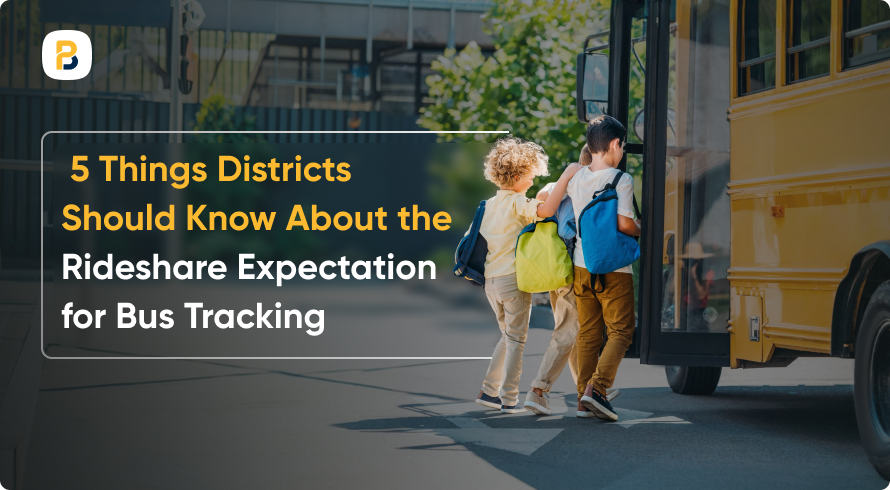
Parents no longer judge school transportation solely by whether the bus arrives on time. They also expect the same level of visibility and communication they experience in many other parts of their daily lives.
Parents can track deliveries, packages, and rideshare drivers in real time. It’s only natural that they now expect the same visibility when their child is riding the school bus. The five points below explore how those changing expectations are reshaping K-12 transportation and what districts can do to keep pace.
1. Parents Now Expect Rideshare-Level Visibility
The comparison between rideshare apps and school bus tracking is no longer hypothetical. Parents increasingly expect the same level of visibility they experience in other parts of their daily life. Improving communication in student transportation is not just an operational priority. It is a trust-building strategy that pays dividends throughout the school year.
- The Rideshare Benchmark Is Now the Standard: Parents who regularly track rides in real time find it jarring to have no visibility into a school bus route.
- Working Families Feel the Impact Most: Parents heading to work rely on accurate arrival updates to plan their mornings. Without real-time visibility, uncertainty often leads to calls to the transportation office.
- Trust Is Built or Broken at the Bus Stop: When families receive timely, accurate updates, confidence in the transportation program grows. Strong student transportation communication helps build that trust throughout the school year.
2. Communication Gaps Are Increasing Parent Call Volume

Phone calls to transportation offices rarely come from parents who are simply curious. They come from parents who have no other way to get an answer. The volume of those calls reflects a real gap between what families need and what they are currently receiving.
- Manual Follow-Ups Are Eating Staff Time: According to the BusPlanner Industry Report, 40% of transportation teams say manual follow-ups and repeated clarification are common during disruptions. Each call costs staff several minutes of investigation time and pulls focus away from active operations.
- Fragmented Tools Are Part of the Problem: Many districts rely on a mixed bag of radios, phone calls, emails, and ad hoc messaging tools to communicate during service changes. That fragmentation makes consistent, timely outreach to families nearly impossible during the moments it matters most.
- Reducing Calls Requires Proactive Outreach: Giving parents accurate information before they have to ask reduces uncertainty and minimizes incoming calls. Learn more in 4 Ways to Reduce Incoming Phone Calls at Your Transportation Department.
3. GPS Technology Is Widely Deployed but Often Falls Short of Parent Expectations
Many districts already have GPS and telematics in place, but parents don’t judge the technology, they judge the experience. If tracking isn’t accurate or reliable, families lose confidence quickly, no matter what system is being used.
- GPS Isn’t Always Accurate: Delays, hardware issues, and bus substitutions can all affect tracking. When a bus appears in the wrong place or doesn’t update on time, parents stop trusting the information.
- Parents Care About Answers, Not Technology: Families don’t want to know that a district has GPS. They want to know where the bus is and when it will arrive.
- Better Tracking Builds Confidence: Modern real-time tracking solutions combine GPS data with smarter arrival predictions, giving families more reliable updates they can count on.
4. Poor Bus Visibility Is Increasing School Site Congestion
When parents aren’t confident the bus will arrive on time, many choose to drive instead. As more families make the same decision, school drop-off lines grow longer, creating challenges for both traffic flow and student safety.
- More Parents Are Choosing to Drive: When bus arrival times feel uncertain, driving becomes the more predictable option. Over time, that shift adds more vehicles around school campuses.
- Congestion Creates New Challenges: Longer queues, crowded pick-up areas, and more pedestrians make school sites harder to manage. They also increase the number of situations staff need to monitor each day.
- Better Visibility Encourages Bus Ridership: When parents can see where the bus is and when it will arrive, they’re more likely to trust the service. Mobile apps for K-12 transportation make that information easy to access before families leave home.
5. Automated Parent Communication Is the Practical Bridge Between Expectation & Reality
Meeting parent expectations doesn’t mean transportation teams need to spend more time answering phone calls or sending manual updates. It means giving families timely, reliable information before they have to ask.

Automated notifications help keep parents informed about delays, route changes, and arrival times while reducing routine inquiries for transportation staff. Districts looking to strengthen communication can also explore the U.S. Department of Education’s family engagement best practices, which emphasize consistent, meaningful communication between schools and families.
The Bottom Line
Parent expectations have changed. Families now expect the same visibility from school transportation that they experience in many other parts of their daily lives. Meeting those expectations isn’t just about adding new technology, it’s about delivering timely, reliable communication that parents can trust.
For transportation teams, improving visibility can reduce routine inquiries, build confidence in the service, and create a smoother experience for families. Small improvements in communication can make a meaningful difference for both families and transportation staff.
Frequently Asked Questions
Q1. What is real-time school bus tracking?
Real-time school bus tracking allows parents to view a bus location and estimated arrival time through a mobile app or web portal using GPS and live location data.
Q2: Why do parents want real-time bus arrival updates?
Parents want the same visibility they receive from rideshare and delivery apps. Real-time updates reduce uncertainty, help families plan their schedules, and provide reassurance that their child is on the right bus.
Q3: How can real-time tracking reduce calls to the transportation office?
When parents receive accurate arrival times, delay notifications, and service updates automatically, they have fewer reasons to call transportation staff for information.