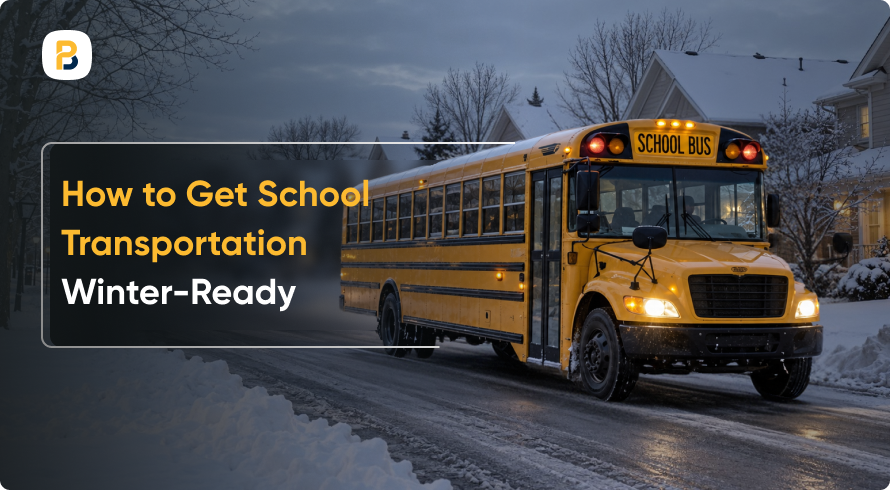
Winter makes school bus transportation more challenging than usual. Cold weather and shorter days can often impact students’ behavior, leading to restlessness, distraction, or irritability. Effectively tracking and monitoring students’ disorderly conduct is key to maintaining safety for any district.
In this article, we will discuss the ways to address student behavior challenges on school buses.
Building a Positive Bus Environment
A better bus experience starts with steady routines and meaningful connections. Students mirror the energy and attitude of adults, so positive engagement prevents issues. Here are the best practices for improved student behavior:
- Promote Fairness: Foster equality and respect by being consistent in setting the exact expectations for all students.
- Strengthen Connections: Earn trust and encourage better behavior by learning students’ names and remembering their seating habits.
- Enhance Safety: Let bus monitors handle minor issues, allowing drivers to focus entirely on the road.
- Set Simple Rules: Maintain discipline effectively by setting clear and easy-to-follow guidelines.
Identifying Problem Behavior
Keep every ride safe and stress-free by addressing bad student behavior promptly. Even minor disruptions break a driver’s focus. A few distracted seconds on slippery winter roads may lead to serious consequences. It’s essential to be aware of effective student conduct management that clearly identifies and addresses inappropriate behavior. Examples include:
- Use of offensive language or harassment toward other students or staff.
- Bullying or physical fights that disrupt safety and order.
- Vandalism or misuse of substances causing damage or health risks.
- Ignoring safety instructions given by the driver or monitor.
Effective Discipline Strategies
Every district should focus on building discipline on school buses through prevention rather than punishment. The end goal is to correct behavior while maintaining respect and safety.
- Handle Serious Issues: Escalate major incidents to the school principal or supervisor for prompt and appropriate action.
- Stay Composed: Remain calm and avoid using threats or physical force, no matter the situation.
- Address Privately: Maintain fairness by discussing issues one-on-one instead of disciplining the entire group.
- Ensure Better Supervision: Reassign seats as needed, preferably by shuffling students exhibiting bad behavior to the front for closer monitoring.
Real-Time Video Surveillance
Enhance transparency and accountability in school transportation with modern video surveillance systems to quickly detect behavioral issues, ensure student safety, and maintain a peaceful environment on every route.
- Enables quick response to incidents and emergencies on the bus.
- Provides reliable video evidence for fair conflict resolution.
- Discourages student misconduct through visible monitoring.
- Enhances staff training and overall transportation safety standards.
Recognizing Good Conduct
Good behavior on school buses grows with consistent guidance and positive recognition. Drivers who demonstrate fairness and care earn the trust of students. This leads to safer, calmer, and more focused rides during challenging winter months.
- Positive Reinforcement: Acknowledge good actions immediately to encourage repetition.
- Ignore Minor Disruptions: If the behavior is harmless attention-seeking, ignoring it often helps it fade away.
- Act Quickly to Dangerous Behavior: If a situation becomes unsafe, stop the bus and call for help immediately.
Key Takeaway: Turning Winter Setbacks into Opportunities

Winter brings challenges to student behavior and hazardous road conditions. But it also offers an opportunity to strengthen connections among drivers, students, and districts. Clear rules, consistent enforcement, and proactive strategies ensure safe and disciplined bus rides for everyone.