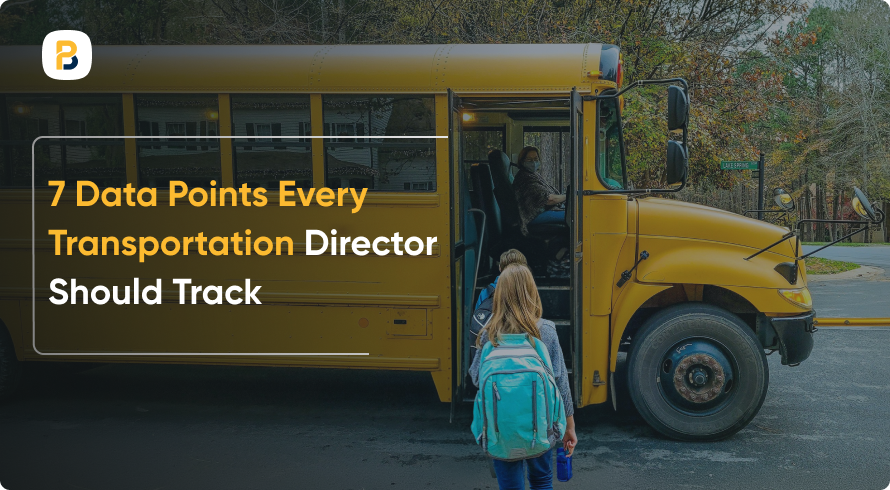
Transportation directors juggle dozens of competing priorities every day, from managing driver schedules to responding to parent concerns. Without the right student transportation data at your fingertips, you’re essentially flying blind, reacting to problems instead of preventing them.
The most effective directors don’t just collect data. They track specific metrics that directly impact safety, efficiency, and budgets. These seven data points give you the visibility you need to make confident decisions and demonstrate value to your superintendent and school board.
1. Scheduled vs. Actual Arrival Times
Your on-time performance rate indicates the percentage of buses that arrive at stops and schools within an acceptable time window. This metric directly impacts student safety, parent satisfaction, and your district’s reputation in the community.
Most districts define on time as arriving within three to five minutes of the scheduled time. Track this data at the route level to identify specific problem areas, whether that’s a particular driver, geographic zone, or time of day. Modern GPS tracking systems make this measurement automatic and precise.
- Morning Versus Afternoon: Separate your morning and afternoon metrics, as they often reveal distinct patterns and challenges that require different solutions.
- Stop Level Detail: Tracking performance at individual stops helps identify specific intersections or pickup points where delays consistently occur.
- Minimize Route Overlap: Identify areas where multiple buses cover the same neighborhoods, creating opportunities to consolidate stops and eliminate redundancy.
- Driver Comparisons: Comparing driver performance helps you identify training opportunities and recognize top performers.
2. Route Efficiency Metrics
Route efficiency encompasses several related school bus metrics, including total miles driven, student time on the bus, and deadhead miles between stops. These numbers directly affect your fuel costs, driver hours, and the time students spend traveling to and from school.
Calculate your efficiency by dividing loaded miles by total miles driven. Districts with strong route planning processes typically achieve efficiency rates above 85 percent. Anything below 80 percent suggests significant opportunities for optimization.
- Deadhead Miles: Empty miles driven between the bus yard and the first stop, or between routes, waste fuel, and reduce the time drivers have available for actual student transportation.
- Ride Time Analysis: Measuring the longest ride times on each route ensures you meet state maximums and keep students on buses for reasonable durations.
- Stop Density: The number of stops per mile indicates whether routes are efficiently clustered or spread too thin across your service area.
- Bell Time Alignment: Tracking how well your routes sync with school start times reveals scheduling inefficiencies that increase costs.
- Multi-Tier Opportunities: Analyzing route completion times shows whether you can run additional tiers with your existing fleet.
3. Ridership and Capacity Utilization
Knowing exactly how many students ride each route, every day, is fundamental to smart resource allocation. Yet many districts still rely on outdated ridership counts that don’t reflect current enrollment or transportation eligibility patterns.
Track daily ridership against your bus capacity to identify underutilized routes that could be consolidated or over-capacity situations that create safety concerns. This student transportation data becomes essential when justifying fleet additions or demonstrating savings from route optimization. Real-time ridership tracking via mobile apps provides accurate daily counts rather than annual estimates.
- Average Daily Ridership: The mean number of students per route over time helps you distinguish between normal fluctuations and genuine trends requiring adjustments.
- Peak Load Points: Identifying the highest point on each route ensures you don't exceed capacity even if average ridership seems acceptable.
- No Show Patterns: Tracking students assigned to routes who consistently don't ride helps you clean up your routing database and improve accuracy.
- Seasonal Changes: Monitoring how ridership shifts during different parts of the school year informs decisions about temporary route modifications.

4. Driver Absence and Substitute Coverage Rate
Driver shortages continue to challenge transportation departments across North America. Your ability to track absence patterns and measure substitute coverage rates directly impacts service reliability and parent confidence.
Calculate your coverage rate by dividing the number of absences successfully covered by the total driver absences. Districts with strong substitute pools maintain coverage rates above 95 percent. Anything below 90 percent means you’re regularly scrambling to combine routes or delay buses, which frustrates families and disrupts schools.
Breaking down absences by reason, day of week, and individual driver reveals patterns that help you address root causes. Effective dispatch systems make tracking these transportation KPIs straightforward and actionable.
- Absence Trends: Identifying which days or times of year see the highest absence rates helps you schedule substitute training and recruitment efforts strategically.
- Individual Patterns: Monitoring absence frequency by driver helps you address potential issues before they become serious problems affecting service.
- Coverage Lead Time: Tracking how much notice you receive before an absence indicates whether you need to adjust your call-in policies or communication channels.
- Route Complexity: Measuring which routes are hardest to cover with substitutes indicates where better documentation or training materials would help.
5. Incident and Safety Reports
Safety is your top priority, making incident tracking one of your most critical data streams. This includes everything from minor behavior issues and bus breakdowns to more serious accidents or traffic violations.
Track incidents by type, route, driver, and time of day to identify patterns that might not be obvious from individual reports. A single bus that generates frequent behavior reports might need camera upgrades or seating reassignments. A driver with multiple close calls needs immediate coaching regardless of whether actual accidents occurred.
- Behavior Incidents: Recording student conduct issues by route and time helps you deploy monitors strategically and address problems before they escalate into safety risks.
- Vehicle Inspections: Tracking pre-trip and post-trip inspection findings identifies maintenance needs early and ensures compliance with safety regulations through proper fleet management.
- Near Miss Events: Documenting close calls that didn't result in accidents helps you implement preventive measures and recognize situational hazards.
- Training Needs: Analyzing incident patterns reveals which safety topics should be emphasized in your professional development programs for drivers.
6. Parent Communication Volume and Resolution Time
Parent calls, emails, and portal inquiries consume significant staff time while providing valuable feedback about your service quality. Tracking this communication volume and how quickly you resolve issues gives you insight into both operational performance and customer satisfaction.
Measure the number of parent contacts per day, categorize them by topic, and track resolution time from initial contact to final answer. High call volumes about late buses indicate on-time performance problems. Frequent questions about route assignments suggest your parent portal needs better information or easier navigation.

- Contact Category Trends: Grouping inquiries by topic, such as route changes, late buses, or behavior concerns, shows where operational improvements would reduce parent frustration.
- Resolution Timeframes: Measuring how long it takes to fully answer parent questions reveals staffing needs and process bottlenecks in your office workflow.
- Self-Service Adoption: Tracking the percentage of families who use online tools versus call centers shows whether your digital resources are meeting parents' needs effectively.
- Seasonal Patterns: Monitoring when communication spikes occur helps you plan staffing for predictable busy periods, such as the start of school or route changes.
7. Cost Per Student Mile and Route
Your cost metrics tell the complete story about operational efficiency and help you justify budget requests with concrete data. Calculate cost per student by dividing your total transportation budget by the number of students transported. Calculate the cost per mile by dividing the total costs by the miles driven.
Breaking these figures down by route reveals which areas of your district are most expensive to serve and why. Some high-cost routes are unavoidable due to geography or low population density. Others indicate opportunities for consolidation or efficiency improvements through better route optimization. These route performance analytics become especially valuable during budget discussions or when evaluating new service requests.
Track both direct costs like fuel and driver salaries, plus indirect expenses including maintenance, insurance, and administrative overhead. Comprehensive financial planning software helps you monitor all these factors in one place.
- Fuel Efficiency: Monitoring miles per gallon by vehicle and route identifies buses that need maintenance and driving habits that unnecessarily waste fuel.
- Maintenance Expenses: Tracking repair costs per bus and per mile helps you make informed decisions about when to retire aging vehicles from your fleet.
- Driver Productivity: Measuring the number of students transported per driver hour shows how effectively you're utilizing your most expensive resource: personnel.
- Geographic Cost Variations: Comparing costs across different areas of your district reveals where service delivery is most expensive and helps inform policy decisions about walk zones or zoning boundaries.
Moving Forward with Data

These seven data points work together to give you a complete picture of your transportation operation’s health. Start by establishing baseline measurements for each metric, then set realistic improvement targets based on your district’s specific challenges and resources. Remember that data collection is only valuable if it leads to action, so build regular review sessions into your calendar where you analyze trends and make decisions.
The most successful transportation directors use these metrics not just for internal management but also to communicate value to stakeholders. When you can show your school board exactly how route optimization reduced costs by 15 percent or how improved on-time performance decreased parent complaints by 30 percent, you build credibility and support for future initiatives. Investing in the right tools to capture and analyze this student transportation data pays dividends through better service, lower costs, and stronger relationships with the families you serve.
Frequently Asked Questions
Q1. What student transportation data should districts track first?
Start with on-time performance and ridership data, as these two metrics provide immediate insight into service quality and resource utilization. These foundational school bus metrics help you identify the most pressing operational issues and measure improvement over time without requiring complex systems or extensive training.
Q2. How can transportation KPIs improve route efficiency?
Tracking metrics such as deadhead miles, ride times, and capacity utilization reveals specific opportunities to consolidate stops, adjust schedules, or redesign routes to improve performance. Regular monitoring of these transportation KPIs helps you make data-driven decisions about route optimization rather than relying on anecdotal feedback or assumptions about efficiency.
Q3. Why is measuring cost per student mile important for transportation directors?
Cost per student mile provides a standardized benchmark that allows you to compare efficiency across different routes, track trends over time, and justify budget requests with concrete data. This metric helps you identify which areas of your district are most expensive to serve and where operational improvements could generate the greatest savings.
Q4. What route performance analytics help reduce parent complaints?
Tracking on-time performance by route and stop, monitoring communication volume by topic, and measuring resolution times for parent inquiries reveals the root causes of dissatisfaction. When you can see patterns in the data, you can address systemic issues like chronically late routes or confusing stop assignments that generate the most frustration for families.
Q5. How often should transportation directors review school bus metrics?
Review operational metrics like on-time performance and driver absences daily or weekly to catch immediate issues, while analyzing longer-term trends in efficiency, costs, and safety monthly or quarterly. This balanced approach ensures you stay responsive to urgent issues while still making strategic improvements informed by broader patterns in your student transportation data.