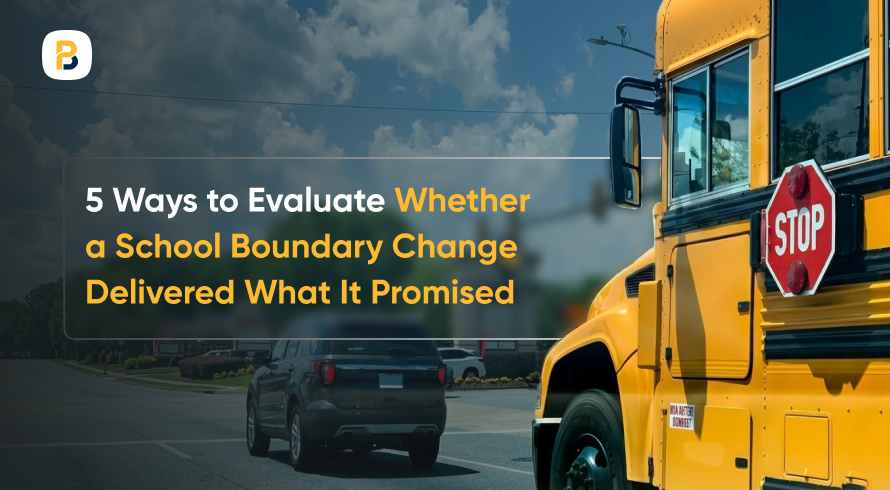
Drivers in the United States illegally pass school bus stop arms an estimated 39 million times every year, according to the Governors Highway Safety Association.
1. Enforcement Activity Is Increasing Across States
- Coordination with Law Enforcement Is Key: NHTSA guidance notes that meaningful stop-arm compliance requires cooperation among motorists, bus drivers, law enforcement, prosecutors, and local judicial officials. Transportation directors who proactively share route data with local traffic authorities can help officers deploy resources where violations are most likely.
- Document Your Stop Locations: Before the school year ends, confirm that every bus stop in your routing system is accurately mapped and reviewed for road configuration. Use modern route-planning tools to audit stop placements against current traffic conditions.
2. Stop Arm Cameras Are Becoming the Enforcement Standard
Address data sits at the center of school bus routing. A small difference in formatting, spelling, apartment numbers, or geocoding can change how a student is assigned to a stop.
- Use One Address Format: Set a consistent format for street names, unit numbers, city names, and zip codes so records can be matched and mapped correctly.
- Check Geocoding Results: Make sure student addresses appear in the correct location before using them for stop assignments or route changes.
- Flag Exceptions Early: New developments, rural roads, shared custody addresses, and temporary housing situations should be reviewed before routes are finalized.
2. Confirm Ridership & Eligibility Data

- More Than 30 States Now Authorize Camera Enforcement: According to the National Conference of State Legislatures, more than 30 states now permit stop-arm camera enforcement. That number is still growing as additional state legislatures advance bills in 2026.
- Cameras Change Behavior Quickly: Data shows that stop-arm enforcement programs have seen up to a 50% reduction in violations within just two months of launch. That behavioral shift has direct safety benefits for students at bus stops.
- Districts Can Report Violations Too: In states with active stop-arm enforcement programs, transportation staff and bus contractors often have a formal channel to report violations observed by drivers. Make sure your drivers know how to use those reporting tools.
3. Safety Data Is Influencing Operational Decisions
- Violation Hotspots Can Be Identified: Stop arm camera programs can reveal which locations experience the most illegal passing incidents, helping transportation teams focus their safety reviews.
- Stop Locations Should Be Reviewed Regularly: Traffic patterns, road conditions, and community growth can change significantly over time, making periodic stop audits essential.
- Data Supports Better Decisions: Combining routing, ridership, and safety data gives districts a clearer picture of where adjustments may improve student safety.
4. Parents Expect Greater Visibility Into Safety Efforts
- Parents Support Stronger Safety Measures: Recent survey data show widespread parent support for stop-arm camera programs and other efforts to improve student safety.
- Families Expect Timely Communication: Parents want to know how districts are addressing safety concerns and protecting students during daily transportation operations.
- Proactive Updates Reduce Questions: Sharing information about safety initiatives, route reviews, and enforcement efforts can help reduce calls and emails.
- Transparency Builds Trust: When families understand the steps being taken to improve safety, they are more likely to feel confident in the transportation services their district provides.
Conclusion

As districts evaluate their own practices, the ability to combine routing, communication, and operational data in a single student transportation platform can help teams make more informed decisions and respond more effectively to evolving safety challenges.
Frequently Asked Questions
Q1. Are stop arm cameras becoming more common?
Yes. More than 30 states now authorize some form of stop arm camera enforcement, and additional legislation continues to be introduced across the country.
Q2. How can transportation departments use stop arm violation data?
Violation data can help identify higher-risk stop locations, support stop placement reviews, and inform broader student safety initiatives.
Q3. What role does parent communication play in school bus safety?
Clear communication helps families understand district safety efforts, reduces confusion about enforcement programs, and builds trust in transportation operations.
Q4. How often should districts review bus stop locations?
Many transportation professionals recommend reviewing stop locations annually or whenever significant changes occur in traffic patterns, road conditions, enrollment, or community development.