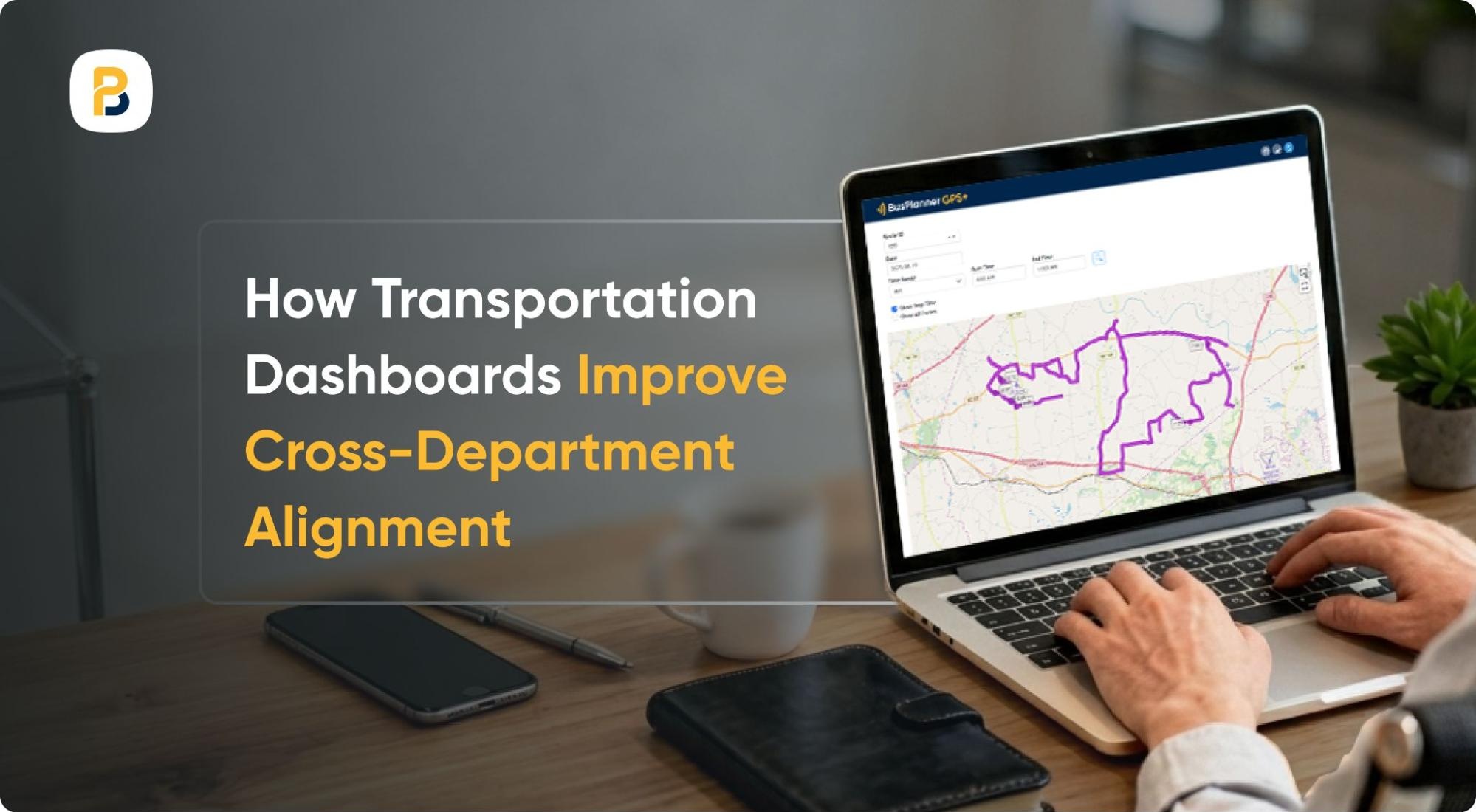
Transportation leaders know that misalignment between departments can quietly disrupt operations. Routing, dispatch, finance, and administration often operate with different data sets, which creates delays and confusion. Transportation dashboards for school district alignment help unify these perspectives into one shared operational view.
Why Cross-Department Alignment Matters in Student Transportation
When departments are not aligned, small issues quickly become system-wide problems. Missed updates, inconsistent reporting, and delayed decisions all impact service quality and cost control. Understanding alignment challenges helps leaders see where dashboards can make an immediate difference.
- Fragmented Data Creates Delays: Many districts still rely on spreadsheets and siloed systems, meaning even small inefficiencies affect thousands of riders daily.
- Communication Gaps Increase Risk: Without shared visibility, dispatch may not be aware of routing changes or maintenance issues in real time. This disconnect can lead to service disruptions and parent complaints.
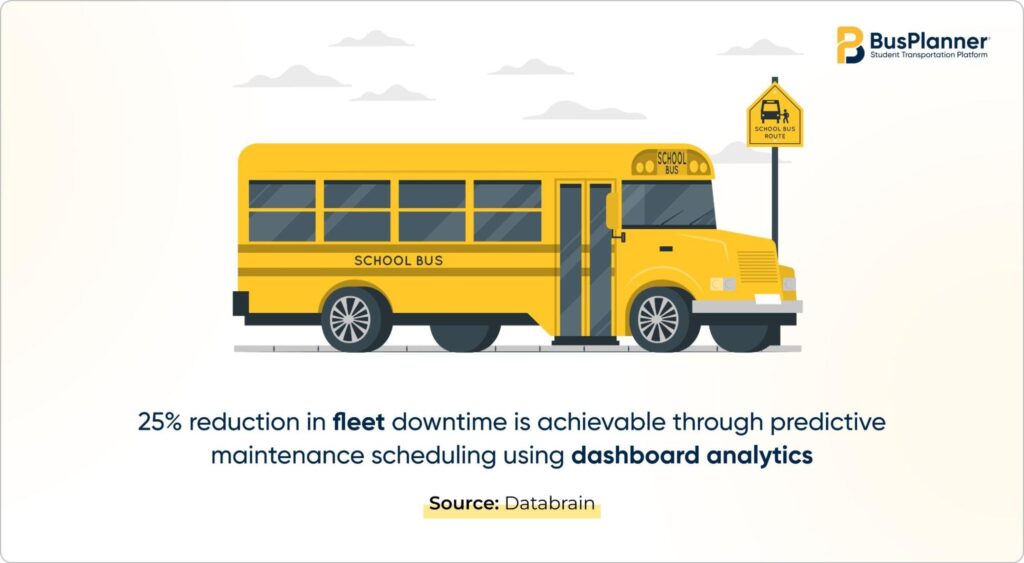
- Operational Inefficiencies Add Up Quickly: Districts face rising costs tied to fuel, labor, and fleet maintenance.
How Transportation Dashboards Centralize Critical Data
A major operational challenge is managing multiple data sources across departments. Dashboards solve this by bringing key metrics into one unified interface that everyone can access and trust.
- Single Source Of Truth: Dashboards consolidate routing, ridership, maintenance, and financial data into one place. This eliminates conflicting reports and ensures all teams are working from the same information.
- Real Time Visibility: Live updates allow dispatchers, planners, and administrators to see changes as they happen. This is especially valuable during disruptions such as weather events or driver shortages.
- Improved Data Accuracy: Centralized systems reduce manual entry errors. Districts that leverage the tools discussed to optimize transportation data strategies often see more reliable reporting across teams.
Improving Communication Between Departments
Even with good data, alignment fails without clear communication. Dashboards create a shared language that helps departments coordinate more effectively.
- Shared Operational View: When everyone sees the same dashboard, conversations become more productive. Teams can quickly identify issues without debating whose data is correct.
- Faster Issue Resolution: Dispatch can flag delays, routing can adjust plans, and administrators can communicate with schools all from the same system. This reduces response time significantly.
- Better Stakeholder Transparency: Clear reporting supports communication with school leaders and parents. Strategies highlighted in real-time communication best practices show how visibility improves trust across stakeholders.
Turning Data Into Actionable Decisions
Data alone does not improve operations unless it leads to better decisions. Dashboards help transportation leaders move from reactive problem-solving to proactive planning.
- Performance Trend Analysis: Leaders can track on-time performance, route efficiency, and driver utilization over time. This supports smarter planning for future school years.
- Scenario Planning Support: Dashboards allow teams to test adjustments before implementing them. This reduces risk when changing routes or schedules.
- Data Driven Budgeting: Financial insights help districts allocate resources more effectively.
Supporting Accountability And Performance Tracking
Alignment improves when every department understands its role and performance expectations. Dashboards make accountability visible and measurable.
- Clear KPI Tracking: Departments can monitor key performance indicators, including on-time arrivals, route efficiency, and fuel usage. Guidance from transportation KPI frameworks helps define what to track.
- Role-Based Insights: Different teams can view metrics relevant to their responsibilities while still contributing to shared goals. This prevents information overload while maintaining alignment.
- Continuous Improvement Culture: When performance is visible, teams are more likely to identify opportunities for improvement and take ownership of outcomes.

Conclusion
Transportation dashboards are more than reporting tools. They are alignment engines that connect departments through shared data, clearer communication, and better decision-making. Districts that invest in centralized visibility are better positioned to manage complexity, control costs, and deliver reliable service.
Using a modern student transportation platform helps bring these capabilities together in a way that supports daily operations without adding complexity.
Frequently Asked Questions
Q1. What is a transportation dashboard in a school district?
A transportation dashboard is a centralized interface that displays key metrics like routes, ridership, performance, and costs to support decision-making across departments.
Q2. How do dashboards improve communication between teams?
They provide a shared view of real-time data, reducing misunderstandings and helping teams respond quickly to operational changes.
Q3. What metrics should be included in a transportation dashboard?
Common metrics include on-time performance, route efficiency, driver availability, fuel usage, and maintenance status.
Q4. Can dashboards help reduce transportation costs?
Yes, by identifying inefficiencies and supporting better planning, dashboards help districts allocate resources more effectively.