Managing time efficiently is crucial for school bus drivers, especially when tasked with transporting children safely while adhering to tight schedules. Transportation teams know how important it is to optimize every minute for safety, punctuality, and efficiency. Here are practical tips for school bus drivers to better manage their time during their daily routes.
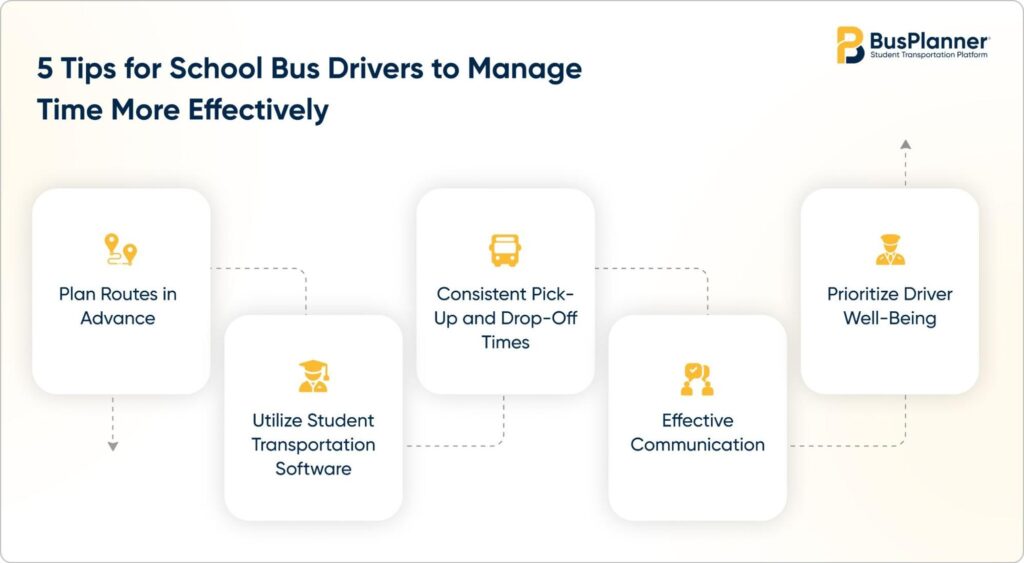
1. Plan Routes in Advance
Proper planning before hitting the road can save valuable time and reduce stress on busy mornings. Planning routes also helps avoid common road hazards, such as construction or detours. Additionally, optimized routes contribute to fuel savings and reduce unnecessary vehicle wear.
- Review Routes Daily: Familiarize yourself with the planned route and anticipate potential issues, such as construction zones or road closures.
- Use Route Optimization Tools: GPS systems and routing software can ensure the most efficient travel paths, reducing travel time.
- Plan for Potential Delays: Having alternate routes prepared can reduce downtime and help avoid delays caused by accidents or traffic jams.
2. Utilize Student Transportation Software
Using a school transportation platform can significantly streamline bus operations, saving time and reducing errors. It helps transport teams and drivers stay informed in real-time, reducing delays caused by miscommunication or outdated information.
- Track Student Attendance: Real-time tracking helps minimize the time spent on manual attendance and ensures that no child is left behind.
- Receive Real-time Updates: Bus management systems allow drivers to adjust their routes dynamically in response to traffic or schedule changes.
- Enhance Communication: Integrated communication tools help provide immediate updates to parents and schools, improving coordination.
3. Stick to Consistent Pick-Up and Drop-Off Times
Consistency in schedules builds trust and ensures efficiency throughout the day. When parents and students are aware of the bus schedule, pick-ups and drop-offs run more smoothly, saving time for the driver.
- Set a Fixed Schedule: Establish consistent pick-up and drop-off times that parents and students can count on.
- Build Time Buffers: Factor in small time buffers for minor delays to ensure your schedule remains intact.
- Communicate Changes Promptly: If any schedule changes occur, inform parents and students immediately to avoid last-minute rushes.
4. Effective Communication is Key
Clear and timely communication helps drivers stay on track and prevents confusion. Statistics from the NASDPTS show that 40% of school transportation delays are caused by miscommunication between drivers and school transportation departments. Using communication tools can significantly reduce these delays.
- Use Real-time Communication Tools: Real-time updates ensure that both drivers and the transportation team are informed about any changes or delays.
- Provide Proactive Updates: Let parents know if the bus will be late or if there’s an issue during the route.
- Coordinate With Other Drivers: Regular check-ins with other drivers or dispatchers can help ensure smooth operations across the transportation network.
5. Prioritize Driver Well-Being
A driver’s physical and mental condition directly affects route efficiency, decision-making, and overall safety. When drivers are rested and supported, they are better equipped to stay on schedule, respond to unexpected conditions, and maintain focus throughout long shifts.
- Get Enough Sleep: Drivers should aim for seven to nine hours of sleep each night to maintain alertness, improve reaction time, and reduce fatigue during morning and afternoon runs.
- Stay Hydrated & Nourished: Proper hydration and balanced meals help sustain energy levels throughout the day, especially during split shifts or extended routes.
- Take Scheduled Breaks: Short, planned breaks during longer shifts help reduce stress, prevent burnout, and support sustained focus on the road, according to guidance from the National Sleep Foundation.
Conclusion
Time management for school bus drivers isn’t about rushing; it’s about reducing friction. When routes are planned ahead, communication is clear, and the right technology is in place, drivers spend less time reacting to problems and more time focusing on what matters most: safe, reliable transportation for students. With the right tools and processes, everyone benefits: drivers, students, parents, and transportation teams alike.
Frequently Asked Questions
Why is time management so important for school bus drivers?
Effective time management helps drivers stay on schedule, reduce stress, improve safety, and handle unexpected delays without disrupting service for students and parents.
How can technology help drivers manage their time more effectively?
Student transportation software provides optimized routes, real-time updates, attendance tracking, and faster communication. This reduces manual tasks and prevents avoidable delays.
How can drivers handle unexpected delays during a route?
Preparing alternate routes in advance, using real-time traffic updates, and communicating delays promptly to dispatch and parents can help minimize the impact of disruptions.
How far in advance should drivers review their routes?
Ideally, routes should be reviewed at the start of each day. Even familiar routes can change due to construction, weather, or student absences.
Can better communication really reduce delays?
Yes. Real-time communication between drivers, dispatchers, and schools reduces confusion, prevents duplicate work, and allows faster responses to changes.