
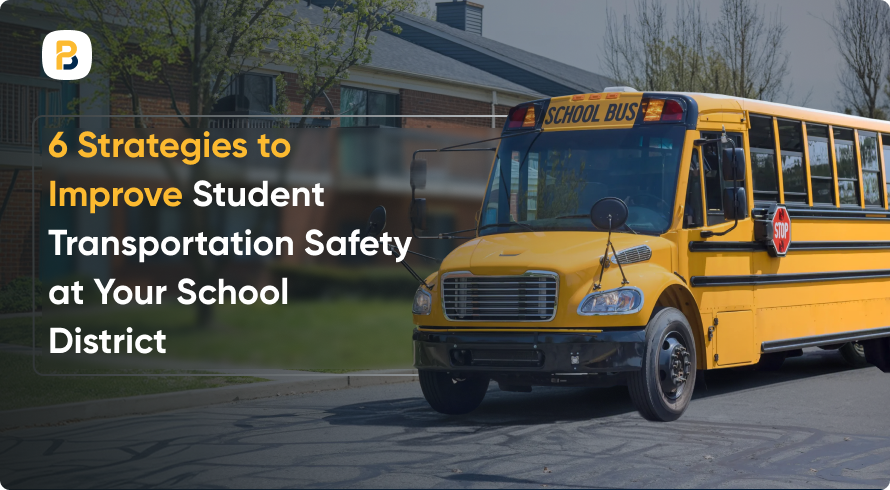
Student transportation safety is shaped by thousands of daily decisions made by drivers, dispatchers, planners, and administrators. With nearly 26 million students riding school buses nationwide each day, even small improvements in planning and communication can significantly reduce risk.
The following strategies focus on operational actions districts can realistically implement without adding unnecessary complexity.
1. Standardize Driver Training And Refreshers
Consistent driver training is one of the most effective ways to reduce safety incidents. When training varies by depot or supervisor, expectations can drift, and unsafe habits can go unnoticed.
- Routine Safety Refreshers: According to the National Highway Traffic Safety Administration, school transportation safety data, school buses remain the safest mode of student transportation when drivers follow standardized safety procedures consistently.
- Focus on Loading and Unloading: National Association for Pupil Transportation safety research shows the highest risk to students occurs during boarding and exiting, not while riding. Training sessions should be designed with this in mind.
- Scenario-Based Training: Practicing real-world scenarios can help drivers improve reaction time and decision-making.
2. Use Route Data To Reduce Risk Exposure
Routing decisions directly impact safety by influencing road types, traffic density, and stop frequency. Poorly optimized routes can expose students and drivers to unnecessary hazards.
- Limit High-Traffic Roadways: According to the U.S. Department of Transportation, two-lane roads have the highest fatality rates per vehicle-mile of travel. Routes that avoid these roads can reduce accident risk.
- Shorten Ride Times: Longer ride durations may increase driver fatigue and, thus, behavioral incidents.
- Review Routes Seasonally: Construction and weather patterns change risk levels throughout the year, making regular route reviews essential.
For deeper planning insight, districts can leverage predictive analytics for student transportation.
3. Improve Stop Design and Visibility
Bus stop safety extends beyond the bus itself. Visibility, spacing, and student behavior all play a role in preventing incidents.
- Evaluate Stop Placement: NHTSA recommends stops with clear sightlines and minimal street crossings.
- Educate Students and Families: Awareness regarding hazards and an understanding of clear expectations can help reduce unpredictable behavior at stops.
4. Strengthen Vehicle Maintenance Oversight
Mechanical reliability is a foundational safety requirement. Maintain the fleet to ensure seamless operations of buses.
- Track Defects and Maintenance Schedules: Conduct regular vehicle inspections and record maintenance schedules. This helps ensure that the vehicle stays in top condition and doesn’t break down unexpectedly.
- Coordinate Maintenance and Dispatch: Maintain centralized vehicle records. Such shared visibility reduces the risk of unsafe vehicles entering service.
5. Enhance Real-Time Communication With Families
Consider a common disruption, such as a weather delay. When it combines with staggered bell times. Buses run behind schedule, parents are unsure whether the bus has already passed, and congestion builds as families begin driving to alternate stops or requesting last-minute changes. Without clear updates, well-intentioned decisions can quickly create unsafe conditions around loading zones.
Clear communication builds trust and prevents unsafe situations at stops when delays or route changes occur.
- Reduce Uncertainty: Timely communication can help reduce parent-driven transportation conflicts.
- Limit Call Volume During Disruptions: Transportation departments with proactive updates experience fewer unscheduled stop changes. This allows them to focus on what’s more important: student safety.
- Support Consistent Messaging: Centralized communication ensures families receive accurate information regarding their child’s location and stop.
Many districts now use a student transportation mobile app for parents to support consistent operational visibility without relying on manual updates.
6. Leverage GPS And Incident Visibility
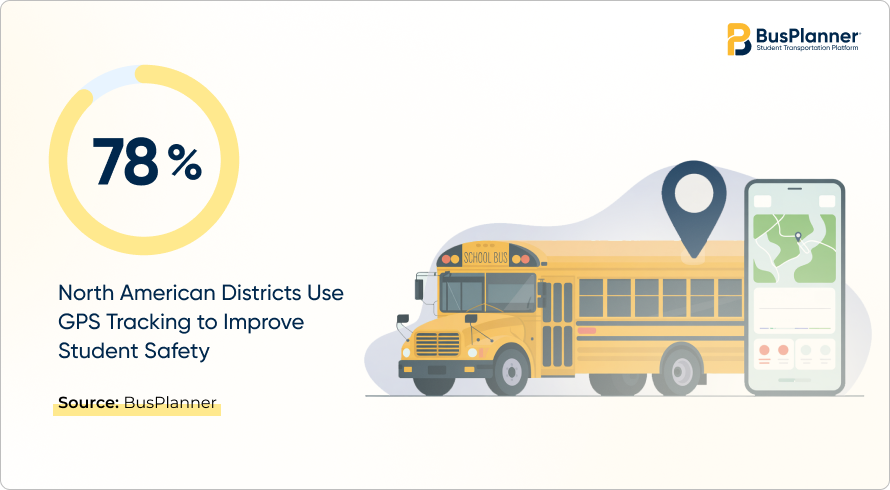
Knowing where vehicles are and what occurred after an incident improves response and accountability. This is where a school bus GPS tracking solution can help
- Improve Response Time: Faster response reduces secondary incident risk.
- Support Incident Reviews: Well-reported incident data improves post-incident analysis and training to help prevent similar incidents in the future.
- Increase Driver Confidence: Clear records protect drivers and districts alike.
Conclusion
Improving student transportation safety depends on consistently implementing proven practices. By standardizing operational practices and improving accountability and communication with all stakeholders, school districts can meaningfully reduce incidents while supporting drivers, families, and students.
When safety is approached as a daily operational priority rather than a reactive measure, districts are better positioned to protect students and build lasting trust within their communities. Contact us today to see how BusPlanner’s suite of tools supports safe student transportation!
Frequently Asked Questions
What is the biggest safety risk in student transportation?
Loading and unloading zones remain the highest risk areas due to traffic interaction and student movement.
How often should routes be reviewed for safety?
At a minimum, routes should be reviewed annually and after major construction or enrollment changes. Ideally, districts should also conduct seasonal reviews to account for shifting traffic patterns and weather conditions.
Does technology replace driver training?
No. Technology supports safety decisions but does not replace consistent training and supervision.