
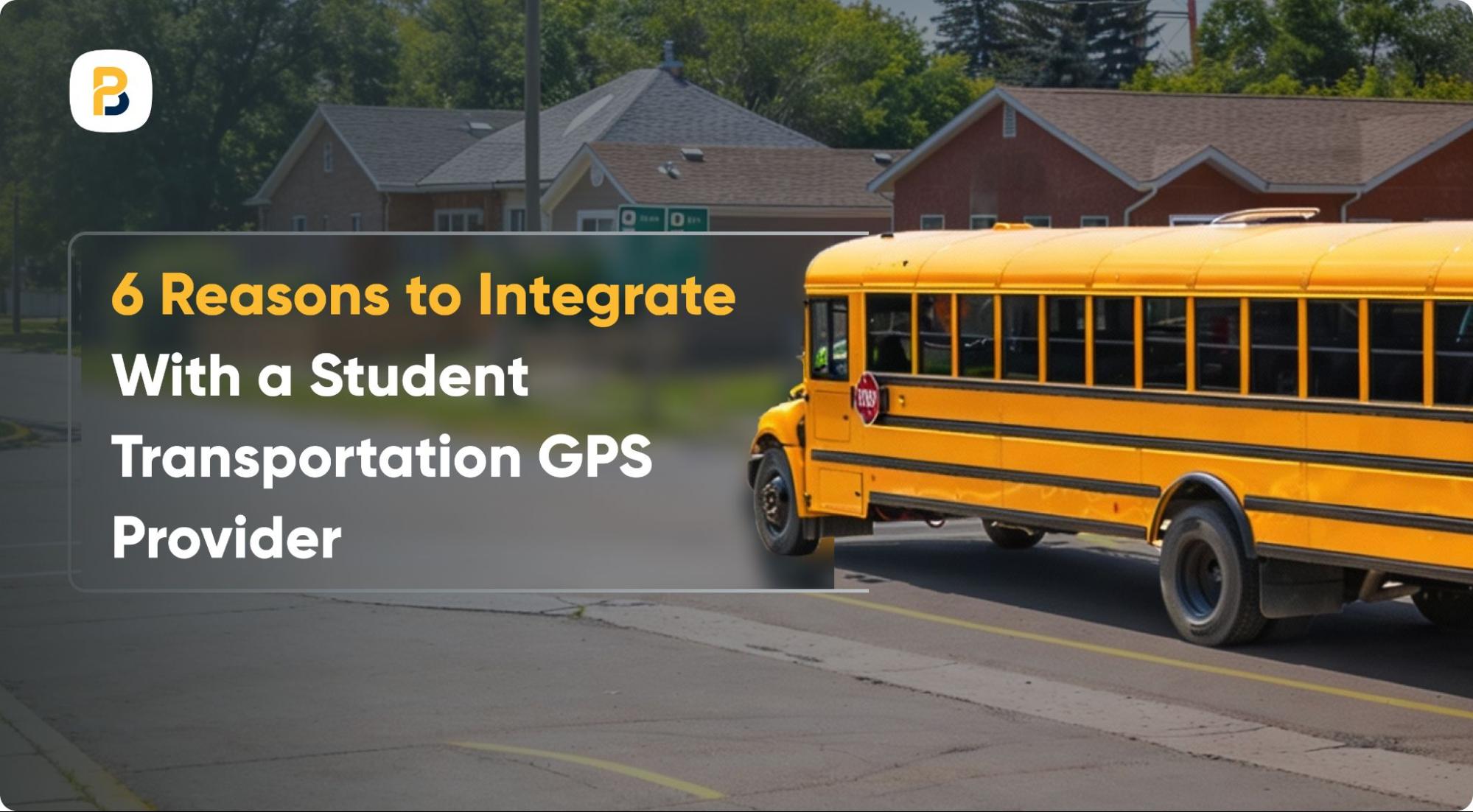
Student transportation teams manage complex operations every day, with tight schedules, changing routes, and constant coordination between drivers, schools, and families. Integrating with a student transportation GPS provider helps simplify that complexity by improving visibility, communication, and operational efficiency.
Here are several practical reasons districts and transportation providers choose to integrate GPS solutions to support safer, more optimized transportation operations:
1. Real-Time Bus Location Visibility
Knowing exactly where buses are during active routes is critical for daily operational confidence. Real-time visibility reduces guesswork for dispatchers, school staff, and families while improving trust in transportation operations.
- Accurate Route Visibility: GPS integration enables transportation teams to view live bus locations and estimated arrival times, making it easier to answer questions from schools and adapt to unexpected delays.
- Improved Communication With Stakeholders: When location data is shared through parent and school portals, expectations are clearer, and fewer follow-ups are required, supporting stronger engagement similar to the practices outlined in improving communication across student transportation operations.
2. Fewer Inbound Inquiries to Transportation Offices
Transportation offices often experience high call volumes due to uncertainty around bus locations or arrival times. GPS integration directly addresses this operational strain.
- Fewer Manual Status Checks: Real-time tracking reduces the need for staff to call drivers or verify routes manually throughout the day.
- Automated Updates Through Portals: When GPS data feeds into online portals, families receive proactive updates that align with strategies to reduce inbound calls to transportation departments.
3. Improved Safety and Incident Response
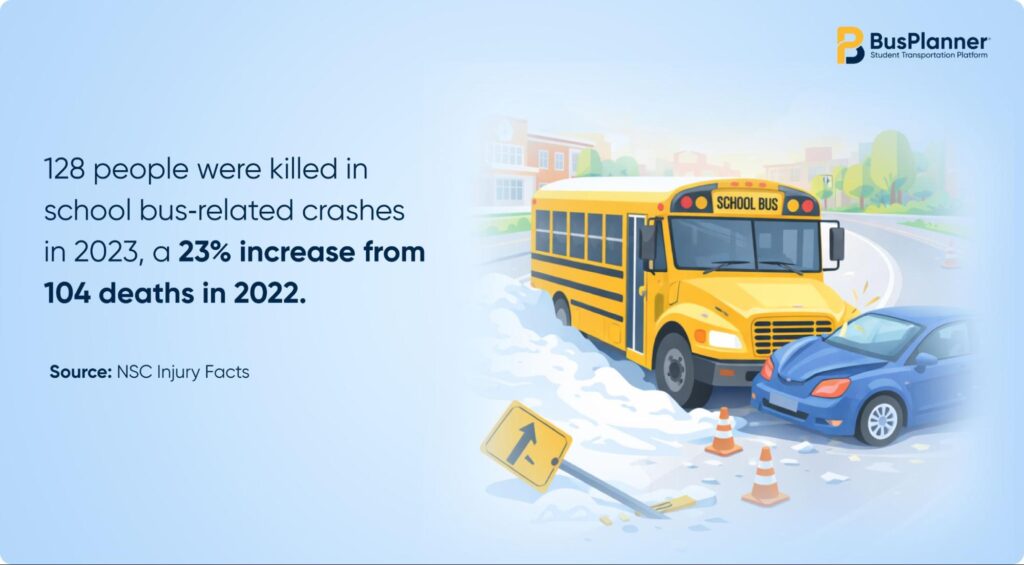
Safety remains the highest priority in student transportation, especially during unexpected events. GPS integration strengthens response capabilities when seconds matter.
- Faster Emergency Response Times: Knowing a bus’s precise location allows teams to dispatch assistance immediately during breakdowns, accidents, or weather disruptions.
- Historical Trip and Ridership Context: Access to past route data helps teams make safer decisions during disruptions, reinforcing best practices similar to those covered in boosting student safety with GPS tracking software.
4. Enhanced Data-Driven Decision-Making
Planned routes rarely reflect real-world conditions perfectly. GPS data bridges that gap by showing how routes actually perform.
- Performance Insights Over Time: Transportation teams can review on-time performance, stop efficiency, and ridership trends to identify opportunities for improvement.
- Better Long-Term Planning: These insights support more accurate adjustments similar to those outlined in student transportation planning with predictive analytics.
5. Ensure Driver Accountability and Compliance
Clear expectations and objective data support both drivers and management. GPS integration provides transparency without relying on anecdotal reporting.
- Route Adherence and Speed Monitoring: GPS data confirms whether routes were completed as assigned and supports compliance with district safety policies.
- Consistent Documentation: Objective records help resolve questions quickly and provide constructive feedback, reinforcing a culture of safety and accountability.
6. Real-Time Fleet Monitoring and Management
Managing an entire fleet requires a system-wide view that manual tools cannot provide. GPS integration enables proactive fleet management throughout the day.
- Live Fleet-Wide Visibility: Transportation teams can monitor all buses simultaneously, identify delays, and respond before issues escalate.
- Operational Efficiency Gains: According to the U.S. Department of Energy, improved route efficiency and reduced idling directly support lower fuel usage and more balanced workloads.
Conclusion
Integrating with a student transportation GPS provider gives districts greater visibility, stronger safety controls, and more efficient daily operations. From real-time fleet monitoring to improved communication and data-driven planning, GPS integration supports a more reliable transportation experience for schools and families.
When paired with a comprehensive student transportation platform, GPS data becomes a powerful tool that helps transportation teams operate with confidence, respond faster to challenges, and continuously improve service quality.
Contact us today to learn how GPS integration within our student transportation platform can help your team operate more efficiently, communicate more effectively, and deliver a safer, more reliable transportation experience for students and families.
Frequently Asked Questions
How does GPS integration improve daily transportation operations?
GPS integration reduces uncertainty by providing real-time visibility into routes, helping teams respond faster and communicate more clearly.
Can GPS data reduce administrative workload?
Yes. Automated updates and accurate location data significantly reduce inbound calls and manual route verification.
Is GPS integration only useful during emergencies?
No. While critical during incidents, GPS data also supports long-term planning, driver accountability, and operational efficiency.