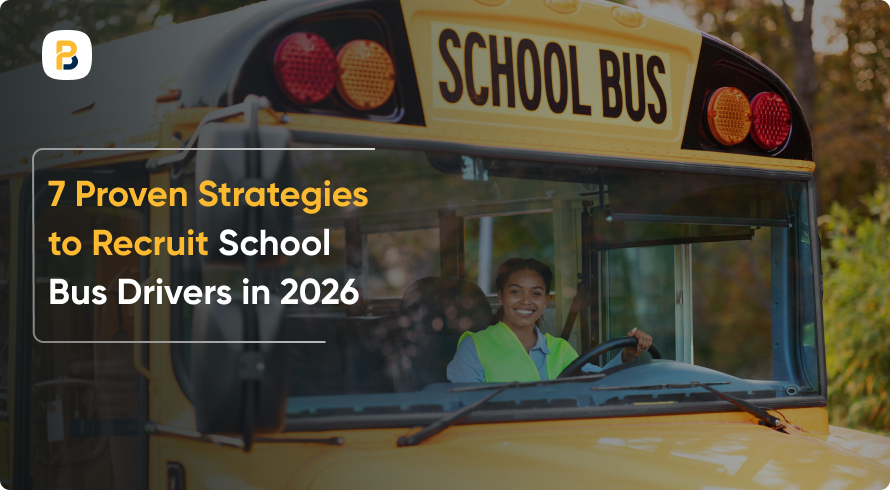
School districts across North America are facing an unprecedented challenge in recruiting school bus drivers. The national driver shortage has reached critical levels, with some districts struggling to cover essential routes and maintain reliable service for students.
This staffing crisis affects more than just transportation departments. When routes go unfilled, parents miss work, students arrive late to class, and districts face difficult decisions about consolidating services. The good news is that forward-thinking transportation leaders are finding innovative ways to attract qualified candidates despite the tight labor market.
In this guide, we’ll explore seven proven strategies that successful districts are using to build stronger driver recruitment pipelines and compete effectively for talent in today’s challenging environment.
1. Streamline Your Hiring Process
One of the most common reasons districts lose qualified candidates is a lengthy, complicated application process. When drivers are in high demand, they’ll choose employers who make hiring quick and straightforward. Review your current timeline from application to first day and identify bottlenecks that slow things down.
- Digital Applications: Move away from paper forms to allow candidates to apply from home, reducing friction in the initial contact phase.
- Rolling Start Dates: Instead of waiting for specific training cohorts, offer flexible onboarding to enable qualified drivers to start earning sooner.
- Same-Day Interviews: When possible, conduct phone or video screenings immediately after receiving applications to demonstrate responsiveness.
- Clear Timeline Communication: Tell candidates exactly what to expect at each stage and how long the process typically takes.
2. Offer Competitive Pay and Benefits
While compensation isn’t everything, it’s the foundation of any successful recruitment effort. Research what nearby districts and private transportation companies are paying, then ensure your wages are competitive. Remember that total compensation includes benefits like health insurance, retirement contributions, and paid time off.
Some districts are getting creative with financial incentives beyond base pay. Sign-on bonuses, referral rewards, and performance incentives can make your offer stand out. Consider highlighting the value of benefits in dollar terms so candidates understand the full package they’re receiving.
- Market Rate Analysis: Survey neighboring districts and local CDL employers quarterly to ensure your wages remain competitive in the region.
- Guaranteed Hours: Offering minimum-hour guarantees addresses concerns about split-shift schedules and inconsistent income.
- Retention Bonuses: Pay incremental bonuses at six months and one year to reward drivers who stay through the critical first year.
- Benefits Access: Make health insurance and retirement benefits available to part-time drivers when possible to expand your candidate pool.
- Longevity Pay: Create clear pay scales that reward experienced drivers and show a path for income growth over time.
3. Create a Strong Employer Brand
Your reputation as an employer matters more than ever when competition for drivers is fierce. Potential candidates want to know what it’s really like to work for your district before they apply. Showcase your workplace culture through authentic stories from current drivers and highlight what makes your team special.
Invest in professional photos and videos that show your drivers in action and capture the meaningful work they do. Share customer stories that demonstrate how your district supports its transportation staff. Make sure your careers page reflects the welcoming, professional environment you’ve built.
- Driver Testimonials: Feature quotes and short videos from current drivers explaining why they chose your district and what they enjoy about the work.
- Social Media Presence: Regularly post content that celebrates your drivers, shows appreciation, and gives candidates a window into your culture.
- Professional Imagery: Use high-quality photos of your buses, facilities, and team, rather than generic stock images.
- Community Connection: Emphasize the impact drivers have on students and families to attract candidates motivated by meaningful work.
4. Partner with Training Programs
Don’t limit your recruitment to candidates who already hold a CDL. Many qualified drivers are willing to pursue training if you help remove barriers to entry. Partnering with local community colleges or vocational schools to recruit school bus drivers from their programs gives you access to motivated learners.
Some districts have gone further by creating their own CDL training programs. While this requires an upfront investment, it allows you to build a pipeline of candidates already familiar with your operations. You can also offer to sponsor training costs in exchange for a service commitment, spreading the investment over time.
- Training Sponsorship: Cover the cost of CDL training and testing for promising candidates in exchange for a one or two-year commitment.
- Paid Training Period: Compensate trainees during the learning phase rather than expecting them to train without income.
- School Partnerships: Build relationships with local vocational programs and attend career fairs to meet students before they enter the job market.
- Internal Pipeline: Recruit from within your district by reaching out to food service staff, custodians, and other employees who might be interested.
5. Improve Route Efficiency and Schedules
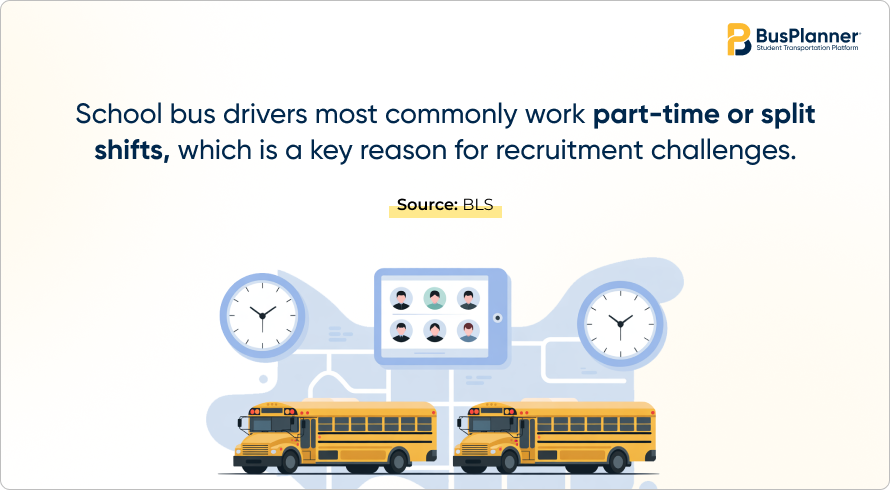
One complaint you’ll often hear from potential drivers is concern about split shifts and long days with unpaid gaps. While the nature of school transportation creates some scheduling challenges, optimizing your routes can minimize these pain points and make positions more attractive.
Using modern route planning software helps you design more efficient runs that reduce deadheading and slack time. When drivers see that you’re committed to respecting their time and creating sensible schedules, it becomes easier to recruit school bus drivers who might otherwise avoid the industry.
- Route Optimization: Regularly review and adjust routes to eliminate unnecessary mileage and reduce total shift length where possible.
- Consolidated Routes: Combine routes strategically to create full-time positions instead of multiple part-time splits.
- Flexible Scheduling: Offer options such as alternating morning and afternoon routes for drivers who want varied schedules.
- Midday Opportunities: Fill gaps between runs with field trips, special education transportation, or field trip management assignments.
- Technology Investment: Provide drivers with mobile apps that simplify their daily tasks and reduce administrative burden.
6. Build Relationships with Retirees and Second Career Candidates
Some of your best potential drivers aren’t actively job hunting on traditional employment sites. Retirees seeking part-time work and professionals seeking meaningful second careers represent an often-overlooked talent pool. These candidates bring maturity, reliability, and strong interpersonal skills, making them excellent fits for student transportation.
Target your messaging to emphasize aspects of the job that appeal to these demographics. Flexible hours that allow time for grandchildren, the satisfaction of serving the community, and the chance to stay active in retirement resonate with older candidates. Highlight that your training program welcomes people new to commercial driving.
- Retirement Community Outreach: Post opportunities at senior centers, retirement communities, and places where active retirees gather.
- Second Career Messaging: Create marketing materials specifically addressing common questions from career changers entering transportation.
- Flexible Arrangements: Offer substitute or part-time positions that work well for retirees not seeking full-time employment.
- Experience Value: Emphasize how life experience and maturity make someone well-suited for working with students.
7. Leverage Employee Referrals
Your current drivers are your best recruiters. They understand the job, know your culture, and have networks of people who might be interested in similar work. Creating a structured referral program incentivizes your team to actively help you recruit school bus drivers from their personal and professional circles.
Make it easy for drivers to refer candidates by providing them with simple tools and clear communication about what you’re looking for. When a referral results in a hire, promptly recognize and reward the referring employee. Track your referral program success through your HR systems and celebrate it publicly to keep the momentum going.
- Meaningful Incentives: Offer referral bonuses per successful hire.
- Tiered Rewards: Pay referral bonuses in stages, with a portion at hire and the remainder after the new driver completes their probationary period.
- Easy Process: Create a simple online form or email address where drivers can submit referrals without bureaucratic hassle.
- Regular Reminders: Keep the program top of mind by mentioning it at staff meetings and including updates in driver communications.
- Public Recognition: Celebrate successful referrals in newsletters or staff gatherings to show appreciation and encourage others to participate.
Moving Forward

The challenge to recruit school bus drivers won’t disappear overnight, but districts that implement these strategies consistently see improved results. Start by assessing which areas offer the quickest wins for your specific situation. Perhaps you can streamline applications this month, research competitive pay next month, and launch a referral program by next quarter.
Remember that recruitment is an ongoing process, not a one-time campaign. The districts that succeed in building strong driver teams are those that prioritize hiring year-round and continuously refine their approach. By treating driver recruitment as a strategic function deserving of time, budget, and leadership attention, you’ll build the reliable transportation team your students deserve.
If you’d like to explore how optimized routing and scheduling can support your recruitment efforts, reach out to learn more about solutions that make driving for your district more appealing.
Frequently Asked Questions
Q1. What are the most effective ways to recruit school bus drivers in a tight labor market?
The most effective strategies combine competitive compensation with streamlined hiring processes and strong employer branding. Districts that reduce their application timeline, offer market-rate pay with clear benefits, and showcase positive workplace culture through driver testimonials see the best results. Building partnerships with CDL training programs and implementing employee referral incentives also significantly expands the candidate pipeline.
Q2. How can school districts make bus driver positions more attractive to potential candidates?
Focus on improving schedule quality by optimizing routes to reduce split shifts and unpaid gaps. Offer guaranteed minimum hours, flexible scheduling options, and opportunities for additional income through field trips or special education runs. Emphasizing the meaningful community impact of the role and providing modern tools that simplify daily tasks also make positions more appealing.
Q3. Why should districts invest in CDL training programs for school bus driver recruitment?
Sponsoring CDL training dramatically expands your candidate pool beyond the limited number of people who already hold commercial licenses. This strategy allows you to recruit motivated individuals who might not have considered driving due to training cost barriers. Districts that offer paid training in exchange for service commitments build loyal teams while addressing the immediate shortage.
Q4. What role does technology play in hiring bus drivers for school districts?
Technology streamlines the application process through digital forms and online background checks, reducing the time from application to hire. Modern systems also improve the actual job by providing drivers with mobile apps for route information, student tracking, and communication. When candidates see that a district uses current technology, it signals a professional, well-managed operation worth joining.
Q5. How do employee referral programs help with school bus driver recruitment?
Referral programs leverage your current drivers' networks to reach qualified candidates who trust recommendations from people they know. Referred candidates typically have realistic expectations about the job, fit better with team culture, and stay longer than hires from other sources. Offering meaningful incentives and simplifying the referral process encourages active participation from your existing workforce.