
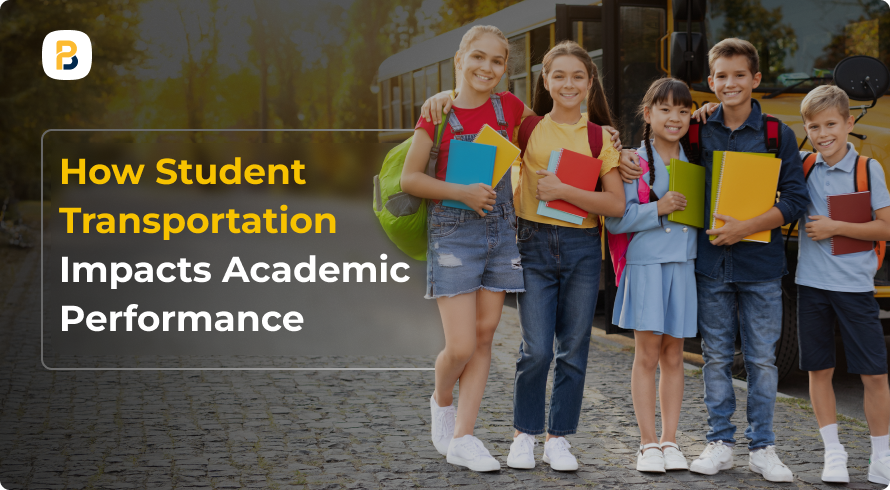
Academic challenges do not always begin in the classroom. They often start on the ride to school, shaped by late buses, stretched routes, and substitute drivers. These factors create operational strain that affects how students arrive at school. Over time, these conditions influence attendance, morning readiness, and a student’s ability to engage once school begins.
This article explores how day-to-day student transportation decisions influence academic outcomes and why districts that view transportation as part of the learning system often see stronger, more consistent results.
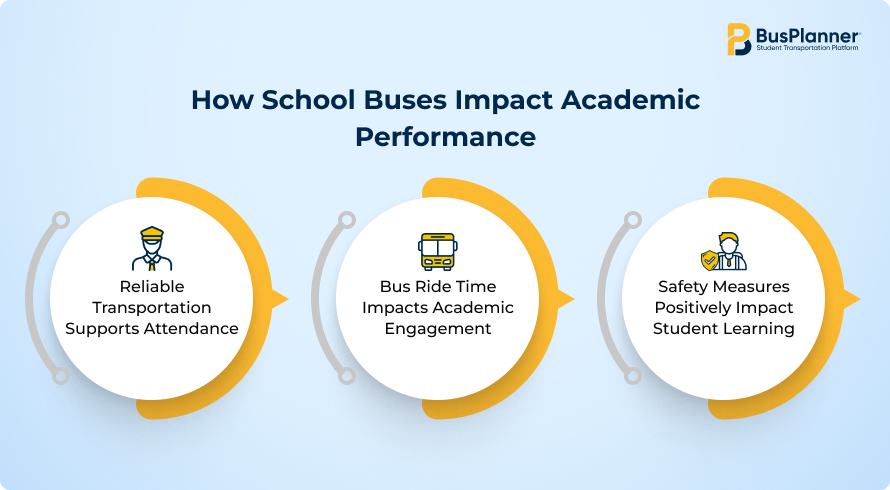
Reliable Transportation Supports Attendance
Getting students to school on time directly affects attendance, especially for those who rely on bus service. When buses are late or skip stops, routines break down, and absenteeism rises.
- Dependable Daily Access: Strengthen everyday service by flagging routes with recurring failures and resolving operational gaps using an effective student transportation platform before issues escalate.
- Ensure Schedule Stability: Improve arrival predictability by adjusting route timing and load balance so minor disruptions do not cascade through the morning schedule.
- Gain Parent Confidence: Restore trust by narrowing pickup windows and maintaining consistency, reducing the need for parents to seek other transportation options.
Bus Ride Time Impacts Academic Engagement
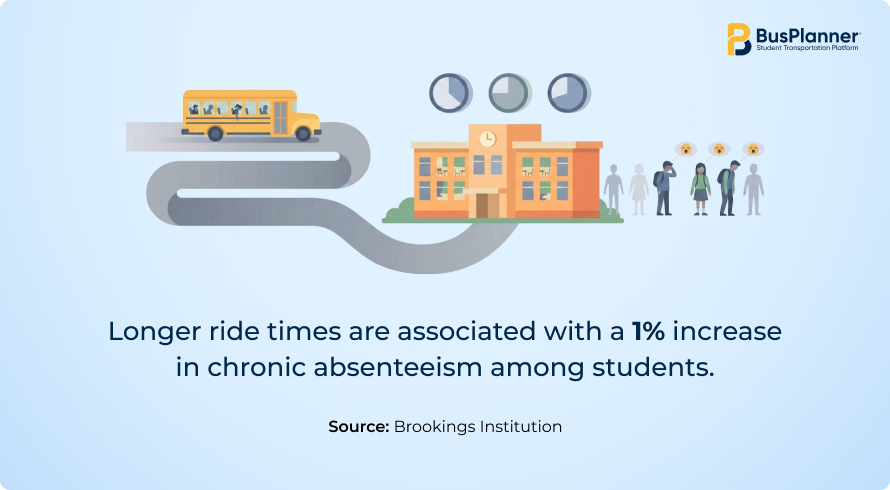
Extended commutes affect student alertness and increase the number of late arrivals. Research shows that students who face longer travel times are less engaged, struggle academically more, and are more likely to drop out.
- Support Morning Readiness: Enhance classroom focus by limiting excessive ride duration where possible through optimized school bus routing software.
- Maximize Classroom Time: Understand that even short, repeated delays accumulate into significant lost classroom time across a semester.
- Manage Operational Trade-Offs: Accept that reducing ride times may require additional buses, adjusted bell schedules, or reallocated drivers.
Safety Measures Positively Impact Student Learning
Unmanaged student behavior, overcrowding, or transportation uncertainty increases stress and reduces focus when students arrive at school. A predictable, supervised ride supports emotional readiness for learning.
- Proactive Behavior Visibility: Identify recurring conduct issues by reviewing incident reports, route feedback, and driver observations to address problems.
- Consistent Driver Training: Reinforce driver training with clear communication, consistent routines, and positive interactions that help students arrive focused and ready to learn.
- Structured Ride Conditions: Create stable seating, pickup order, and clear bus rules to reduce uncertainty and limit behavior disruptions before students reach the classroom.
Key Takeaways: Transportation Decisions Shape Student Learning Outcomes
Student transportation shapes academic performance. When routes become inconsistent or ride times increase, students arrive distracted, fatigued, or late, reducing their ability to learn effectively.
Using a robust student transportation software that improves visibility across routing, safety, and daily operations helps districts make informed decisions that support stronger academic outcomes over time.
Frequently Asked Questions
How do late buses influence student attendance?
Repeated late arrivals disrupt routines and reduce trust in bus service. Over time, this increases absenteeism, especially for students who depend on school transportation.
Does time spent on a school bus affect classroom engagement?
Yes. Longer ride times increase fatigue and reduce attention, making it harder for students to participate and focus during lessons.
Why should districts view transportation as part of the learning system?
Student transportation sets the conditions for attendance, readiness, and focus. Treating it as part of the education system helps districts support better academic outcomes.