
As winter fades, transportation departments enter one of the most operationally sensitive periods of the year. Spring brings shifting bell schedules, testing days, field trips, and unpredictable weather, often revealing inefficiencies that stayed hidden during winter’s more stable routines. For many districts, this season functions as a stress test that exposes where systems are resilient and where they quietly strain.
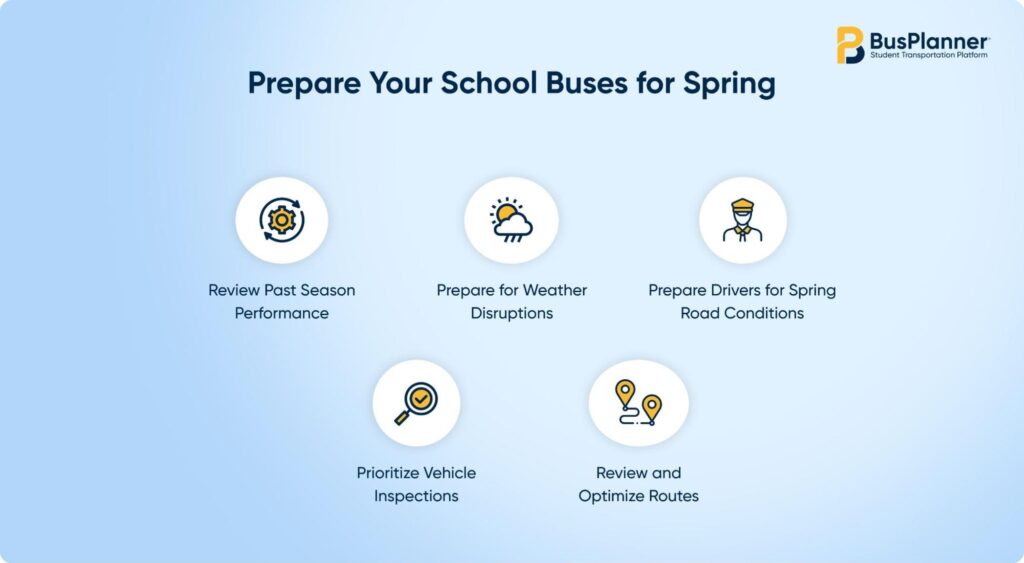
Below are five targeted ways to prepare for spring. It’s not a to-do list, but a way to help districts stay on track before things get hectic at the end of the year.
1. Reflect on Operations Before Spring Transitions
Before making any changes, transportation leaders should take a focused look at how the system performed over winter. Key indicators include:
- Route reliability and on-time performance
- Student ride times and stop consolidation opportunities
- Driver feedback on recurring problem areas
- Patterns in parent or school complaints
The goal isn’t a full operational redesign, with most departments working with limited time and staffing during the busy spring season. Instead, teams can focus on a few small changes that make a real difference, like removing stops that are no longer used, adjusting routes that are often late, balancing student loads between buses, or fixing a few problem routes that cause daily delays.
Updates like these can quickly improve reliability without adding extra work for staff.
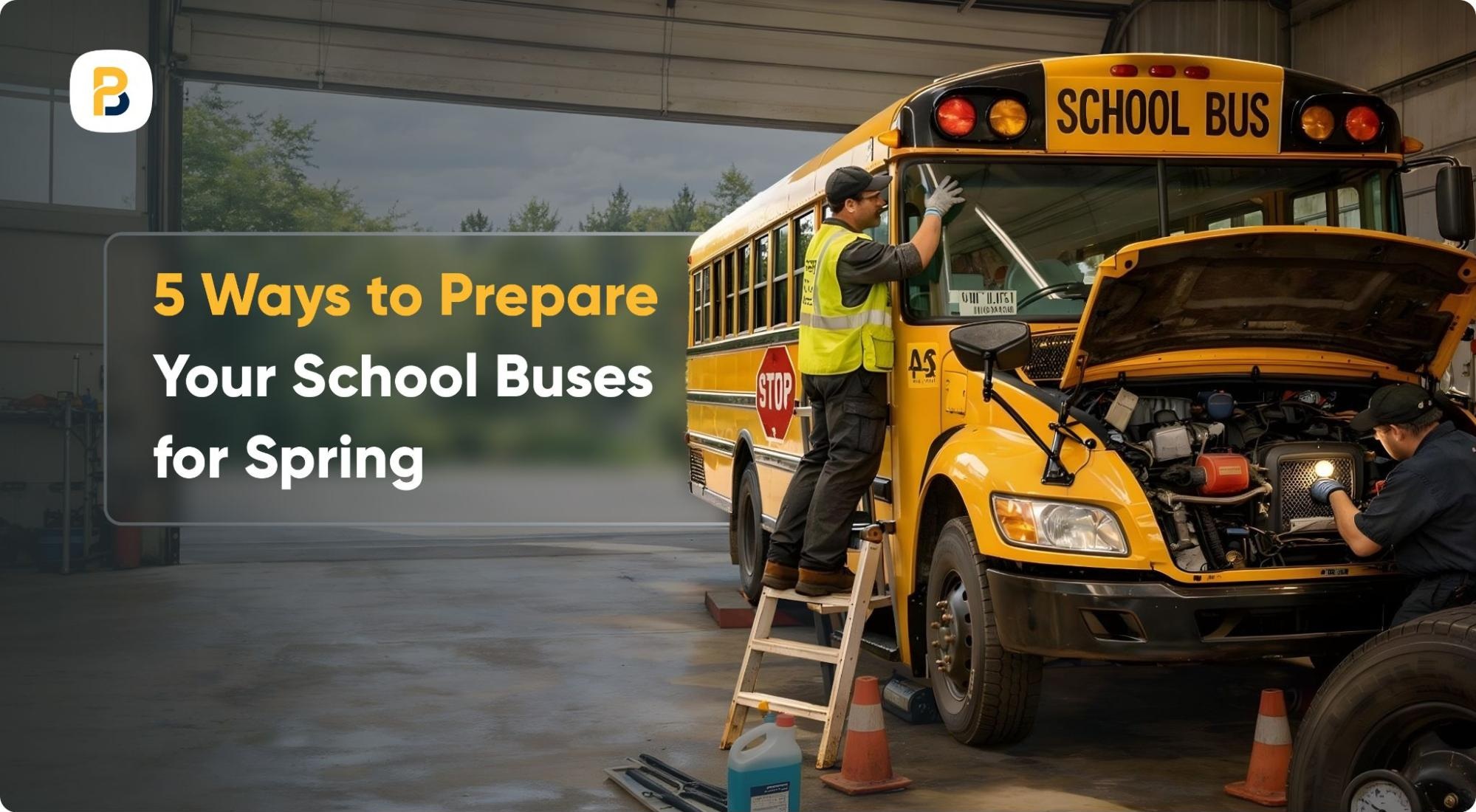
2. Prioritize Vehicle Inspections
Post-winter inspections are important, but experienced teams look beyond the basics. Detailed inspections include checking:
- Brakes, tires, suspension, and steering components
- Engine oil, coolant, brake fluid, and transmission fluid
- Batteries, belts, hoses, and undercarriage corrosion
While every issue matters, some problems are more likely to cause trouble during longer spring routes and field trips when fewer backup buses are available. During longer runs, thoroughly checking the cooling system stress should be prioritized, especially for the coming season, as suspension wear from uneven construction routes should be addressed.
Transportation teams should be vigilant and aware of which minor issues are most likely to turn into breakdowns later in the spring, and fix those first.
3. Use Spring as a Route Optimization Opportunity
Student enrollment changes and seasonal adjustments often leave some bus stops underused. As spring rolls into the current school year’s schedule, it is important to keep a close eye on routes and runs.
This often includes:
- Removing legacy stops that no longer serve active riders.
- Correcting route overlaps created by winter adjustments.
- Rebalancing loads where enrollment has shifted.
By using a student transportation platform, districts can identify redundant stops, unnecessary deadhead mileage, and other issues that can quietly grow over time. Addressing them on time helps prevent small inefficiencies from becoming ongoing performance problems in the next school year.
4. Prepare for Weather Disruptions
Spring weather brings different challenges than winter. Heavy rain, flooding, construction, and sudden weather changes can cause unexpected delays.
Instead of relying on general emergency plans, districts can prepare by identifying specific trouble spots, for example, roads that flood easily or areas where buses often need to turn around. Planning alternate routes ahead of time helps teams respond faster when conditions change.
Student transportation departments can stay ahead of these disruptions by reviewing emergency response and rerouting procedures, updating communication plans with families and staff, and coordinating with local emergency management agencies.
5. Train Drivers on Spring-Specific Driving Conditions
Spring driving brings different risks than winter, more pedestrians, construction zones near schools, and frequent schedule changes. These conditions can increase the chance of incidents if drivers aren’t prepared. Short refreshers focused on spring-specific risks help reinforce safe habits and build confidence.
Useful refresher topics include:
- Driving safely on wet roads
- Navigating construction zones and changing traffic patterns
- Safe student loading and unloading
- Spotting early signs of vehicle maintenance issues
Targeted seasonal training helps drivers stay alert, reduces preventable incidents, and supports safer operations during a busy time of year.
Looking Ahead
Spring offers a valuable opportunity for transportation teams to step back, assess what’s working, and make thoughtful adjustments before the next school year begins. By using this time to review routes, address small inefficiencies, and prepare for seasonal challenges, districts can create a stronger foundation for the months ahead.
Curious how your routes are really performing this spring?
BusPlanner helps teams spot small inefficiencies, like extra mileage or uneven routes, so they can make smart adjustments now and head into the next school year. Contact us to learn more.
Frequently Asked Questions
What types of route issues usually appear in spring?
Common issues include unused stops, uneven student loads, longer ride times, and temporary adjustments that were never reversed after winter.
Why is spring an important time for transportation planning?
Spring is when minor issues like route drift, underused stops, or vehicle wear become more visible. Addressing them early helps prevent larger problems during the next school year.
How can technology help during this time?
Routing and planning tools can highlight stop redundancy, excess mileage, and imbalanced routes, making it easier to prioritize what needs attention before summer planning begins.
Is spring a good time to prepare for the next school year?
Yes. Making small, informed changes now reduces pressure in the fall and helps districts start the new year with more stable, efficient operations.