
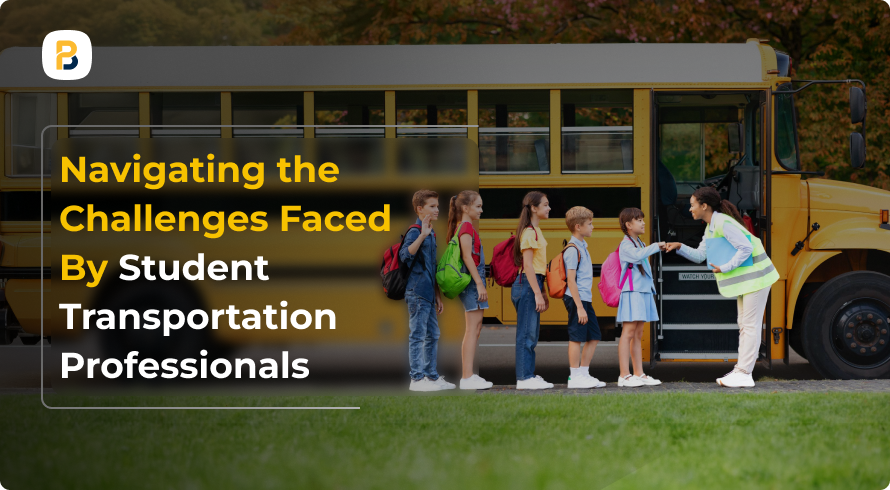
Ever wondered how transportation teams ensure safe student travel? This responsibility often goes unnoticed as teams manage routes, activities, and schedule changes with quick decisions and coordination.
While the work may look simple from the outside, student transportation remains one of the most complex and critical operations within any school district.
This article explores key challenges faced by student transportation professionals.
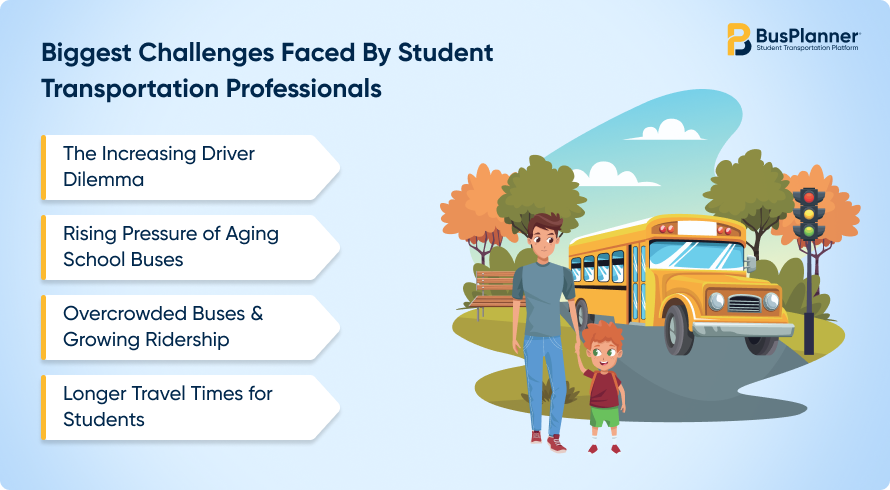
1. The Increasing Driver Dilemma
A 2025 U.S. school-administrator survey found that 46% of respondents consider school bus driver shortages a major problem. As a result, transportation teams face ongoing pressure to maintain daily operations.
- Staffing Gaps: Schools struggle to hire enough qualified drivers to keep all scheduled routes fully covered.
- Retention Challenges: Due to inconsistent hours, limited growth opportunities, or burnout, experienced drivers leave the job.
- Longer Turnaround Times: Reduced staffing stretches run times and causes delays in both morning and afternoon schedules.
- Higher Operational Strain: Supervisors and dispatchers handle more problem-solving and parent communication during driver shortages.
2. Rising Pressure of Aging School Buses
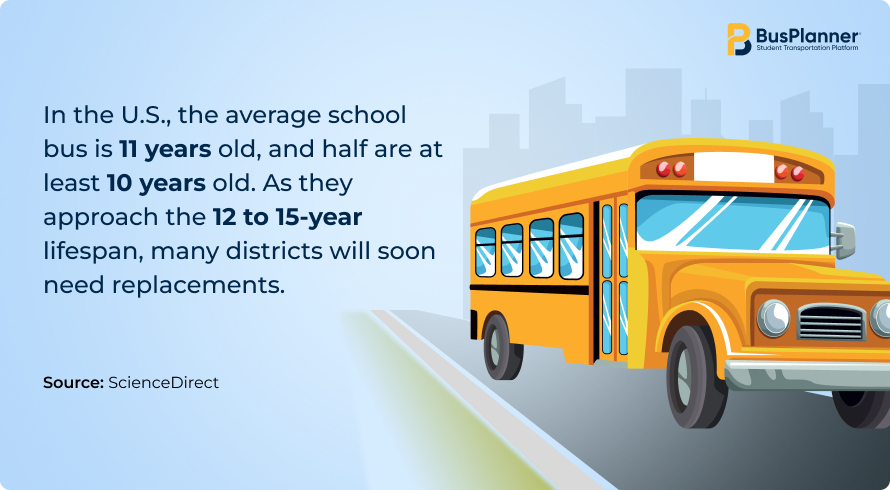
Many districts operate older buses that continue to serve beyond their intended lifespans. These vehicles require frequent repairs and often experience recurring issues. Transportation professionals must maintain these buses while also planning for future upgrades.
- Operational Disruption: Sudden breakdowns create delays and force rapid routing adjustments daily.
- Reliability Risks: Mechanical vulnerability increases when many buses run beyond ideal service years.
- Expensive Repairs: Ongoing maintenance drains budgets and increases operational strain for teams.
- Ownership Burden: Older buses require continuous investment, adding pressure on available funds.
3. Overcrowded Buses & Growing Ridership
Reduced staffing and fewer buses often mean more students ride together on the same route. As ridership grows, buses become more crowded and travel becomes more demanding for students and drivers.
- Limited Seating Space: The ride feels restrictive during peak times because students have minimal space to sit.
- Behavior Concerns: Crowded conditions increase conflicts and make behavior management harder.
- Comfort Impact: Extended routes feel more exhausting when students lack enough seating space.
- Supervision Limits: Drivers struggle to monitor all students while keeping focus on the road.
4. Longer Travel Times for Students
Students in rural or large districts often face long daily commutes, with many traveling almost twice as long as those in urban areas because of wider geographic coverage.
- Extended Routes: Mileage increases and daily routing becomes more demanding when student homes are often far apart.
- Student Fatigue: Long rides tire students and compromise their focus and readiness for class.
- Limited Options: Rural areas often lack public transit or walking access, making school buses essential for travel.
- Complex Planning: Planning efficient routes is harder when stops are spread across regions.
Key Takeaways: Overcoming Everyday Obstacles in Student Transportation
Transportation professionals face daily challenges that require teamwork and adaptability. By focusing on safety and consistency, they keep routes running smoothly even when problems arise.
Schedule a demo with BusPlanner to see how we can simplify and improve your transportation operations.
Frequently Asked Questions
Why do students in rural areas have longer commute times?
Rural routes cover large areas with widely spaced stops, increasing travel time. With few transportation alternatives, students rely solely on the school bus each day.
Why are school buses often overcrowded?
Overcrowding occurs when districts lack enough drivers or vehicles, forcing more students onto fewer buses and creating uncomfortable rides.
Why do older buses create operational issues?
Aging buses break down more often and require constant repairs, disrupting schedules and straining maintenance teams.