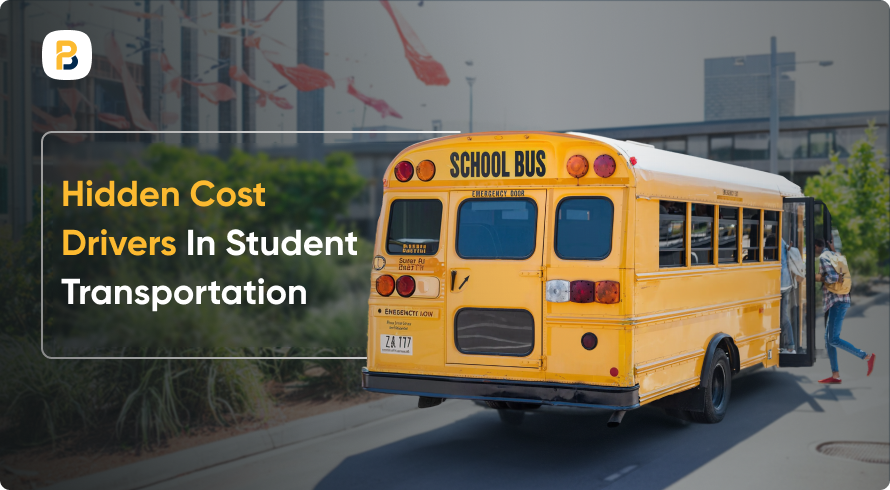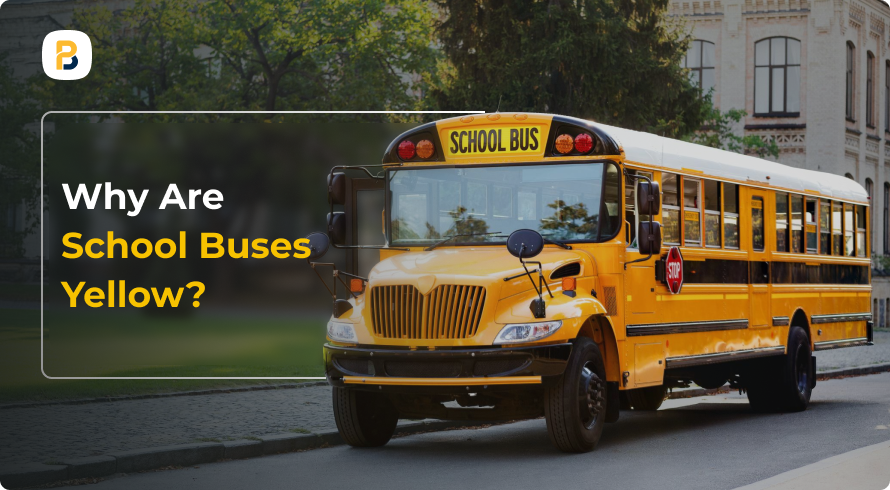
Bright yellow school buses are a familiar sight across neighborhoods, in movies, and on American roads. Beyond transporting children, they are recognized as a national symbol of safety. Have you ever considered why these vehicles are painted yellow rather than any other color?
The school bus design choice has a history rooted in science, recognizability, and safety, shaping how millions of children travel each day.
The History of the Yellow School Bus
Before the 20th century, students traveled to school by various means, including walking, private vehicles, and horse-drawn wagons. School transportation lacked universal safety standards and consistent colors. In 1939, Dr. Frank Cyr, an educator from Nebraska, brought together transportation officials, school administrators, and paint specialists to establish a national standard.
During the historic conference at the Teachers College of Columbia University, participants reviewed 50 paint samples before selecting one that stood out under all lighting conditions, a warm orange-yellow hue.
Dr. Frank Cyr’s goal was simple yet powerful:
- To make student travel safer by creating a uniform design.
- Build consistency so buses could be recognized instantly on the road.
- Make mass production more cost-effective for schools across the country.
Why Does Yellow Stand Out?
The color choice for the school bus was not just aesthetic but strategic. Yellow is one of the easiest colors for the human eye to notice, especially in early morning and late afternoon, when most vehicles are on the road. Here are the main reasons yellow was chosen for school buses:
- Safety Caution: Promotes careful driving by signaling alertness without urgency.
- Easy Visibility: School buses stand out clearly in rain, fog, snow, or low light.
- Strong Contrast: Improves readability, as black text appears boldly on yellow.
Logic Behind the Yellow Shade
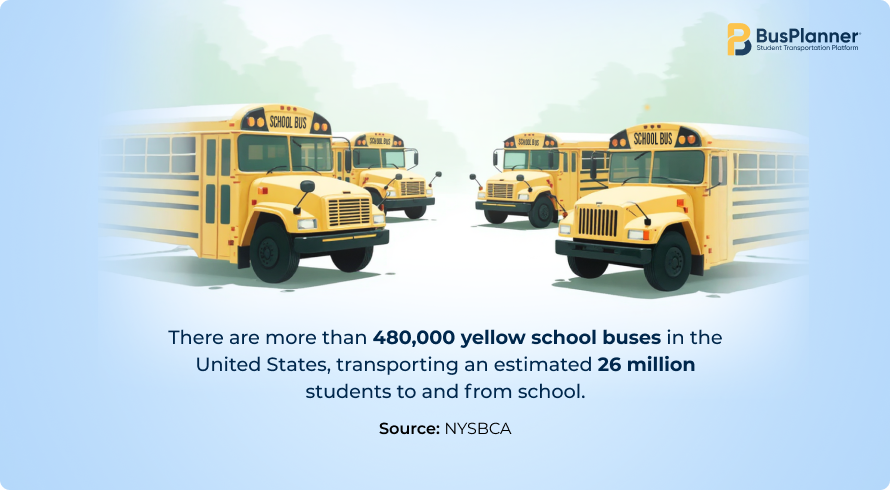
Not every yellow color is suitable for school buses. The specific shade was selected to ensure safety and consistency. Originally, the color was called national school bus chrome; it contained lead-based paint with hexavalent chromium. After the 1978 lead paint ban, it became the national school bus glossy yellow, also known as color 13432 in the federal standard 595a.
Laws & Safety Regulations
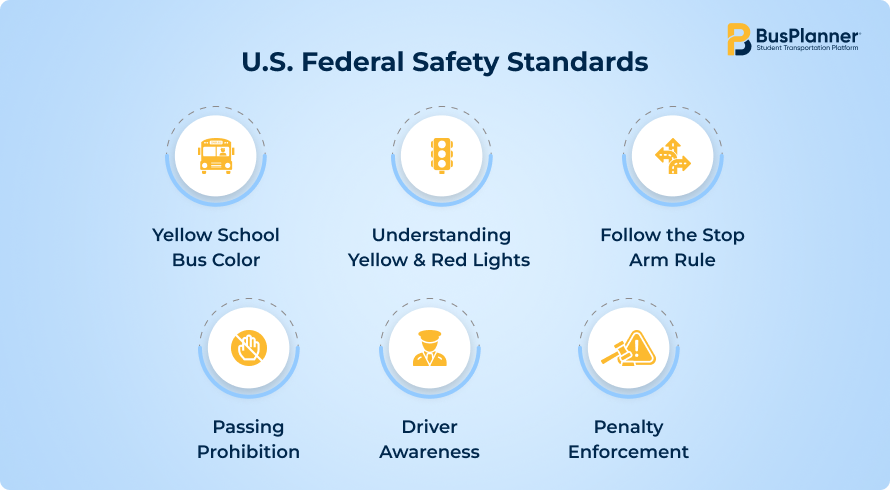
School bus laws across the United States and Canada are designed to protect students as they board and exit buses safely. These regulations aim to prevent accidents, and breaking them results in fines or other legal action. Below are the U.S. federal safety standards each school bus must follow:
- Bus Color: For high visibility, all buses must be painted yellow.
- Flashing Yellow Lights: Signals the bus is preparing to stop; other vehicles must slow down.
- Flashing Red Lights: Indicates students are boarding or exiting; all vehicles must stop.
- Stop Arm Rule: Vehicles must halt when the stop arm extends and move only after it retracts.
- Passing Prohibition: Drivers cannot pass a stopped school bus unless on a divided highway.
- Driver Awareness: Stay alert near school buses and in school zones.
- Penalty Enforcement: Violations lead to license points, fines, or suspension.
Are School Buses Yellow Everywhere?
The yellow school bus originated in the United States, but its impact is global. Countries such as the United Kingdom and Chile have adopted the yellow design after observing its effectiveness in North America.
In other parts of the world, school buses differ in size, design, and color, yet the concept behind the yellow standard continues to promote safer student transportation worldwide.
Key Takeaway: Yellow is the Universal Symbol of Safety
Every morning, several students across North America board bright yellow buses, supported by decades of research and thoughtful design that make every ride safer and every journey more reliable.
Book a demo and witness an all-in-one fleet management platform for your school district.
Frequently Asked Questions
Does the yellow bus color reduce accidents?
Yellow attracts attention and signals caution, helping drivers slow down and reducing road accidents.
Why is yellow a safety color?
It is the most visible color to the human eye, instantly alerting people and preventing hazards.
Why do yellow school buses have white tops?
White roofs reflect sunlight, keeping buses cooler and improving student comfort.