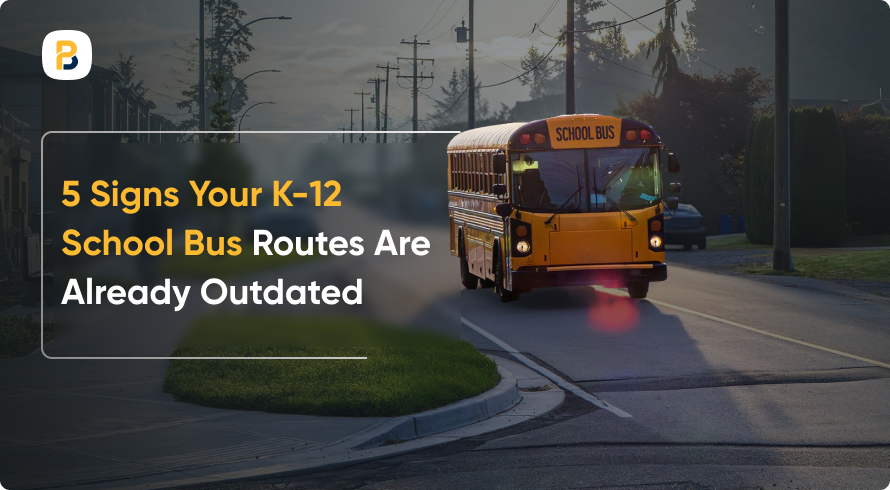
School bus routes can become outdated without anyone deliberately changing them. Enrollment shifts, bell schedules move, students change programs, and actual road conditions rarely match the assumptions used when a route was created.
Here are five signs your routes may need another look.
1. Your Ridership Data Is No Longer Current
Student addresses and transportation needs change throughout the school year. When routing decisions rely on old information, buses can carry unused capacity while other routes become unnecessarily crowded.
- Review Student Records Regularly: Check addresses, school assignments, program participation, and transportation eligibility before building your next route plan.
- Look Beyond Total Ridership: Stop level ridership can reveal patterns that a district wide student count misses. Empty seats, newly added stops, and recurring capacity issues can all signal that an existing route needs adjustment.
- Connect Data To Planning: Data driven transportation decisions can help teams identify inefficiencies and compare planned routes with actual operating conditions.
2. Schedule Changes Are Disrupting Existing Routes
Bell schedules are routing constraints, not simply school administration details. Even a modest change can affect run stacking, driver assignments, vehicle availability, and arrival windows across a district

- Model Bell Time Changes: Review the fleet impact before a new schedule takes effect rather than discovering conflicts after routes are already assigned.
- Account For New Programs: Magnet programs, expanded services, and other schedule changes can create new transportation patterns that deserve a deliberate routing review.
- Test Multiple Scenarios: Route planning software can help transportation teams evaluate different combinations before committing vehicles and drivers.
3. GPS Data Is Not Informing Route Decisions
GPS data becomes valuable when transportation teams use it to compare planned service with what actually happens on the road.
- Compare Planned And Actual Performance: Look for recurring differences in travel time, stop timing, and arrival performance rather than treating each late trip as an isolated event.
- Identify Repeat Problems: A recurring delay at the same stop cluster or road segment may indicate a route design issue rather than a one time operational problem.
- Use Data For Route Reviews: GPS analysis can help planners identify traffic patterns, route inefficiencies, and opportunities for targeted adjustments.
4. Parent Complaints Are Increasing
A communication tool can tell families that a bus is late, but it cannot make an inefficient route faster. When transportation reliability declines, parent communication often becomes more reactive.
- Look For Repeated Complaints: Recurring calls about the same route, stop, or time window deserve operational investigation rather than another notification.
- Consider The School Site: NCES reports that 38% of public school leaders said traffic patterns around their schools pose a moderate or strong threat to student safety while commuting.
- Build Reliability First: Consistent routes and predictable arrival windows give transportation teams a stronger foundation for effective family communication. Visit our blog to learn more about keeping parents engaged in student transportation.
5. Your Routing Software Is Being Used Mainly To Document Routes
Having routing software does not automatically mean a district is optimizing its transportation network. The technology needs to support regular analysis, scenario planning, and route refinement.
- Audit Existing Routes: Review routes for unnecessary mileage, unused capacity, timing problems, and recurring operational exceptions.
- Use Your Transportation Data: A student transportation platform can bring routing information into a broader operational workflow instead of leaving route decisions dependent on disconnected spreadsheets.
- Keep Experienced Planners Involved: Technology should support local knowledge, not replace it. Transportation staff understand school sites, driver realities, community geography, and constraints that data alone cannot capture.
The Bottom Line
Outdated routes rarely become problems overnight. They gradually drift away from the conditions they were designed to handle.
A yearly review is a useful starting point, but transportation teams should also revisit routes after major enrollment changes, schedule adjustments, new programs, or recurring GPS performance issues.
The goal is not to rebuild every route. It is to identify where the current network no longer reflects how your district actually operates.
Frequently Asked Questions
How often should school districts review bus routes?
Districts should establish a regular route review process and revisit routes when significant enrollment, schedule, program, or operational changes occur.
What are common signs of outdated school bus routes?
Recurring delays, unused capacity, unexpected overcrowding, repeated parent complaints, and differences between planned and actual route performance are useful signals.
How can GPS data improve school bus routing?
GPS data can help transportation teams compare planned routes with actual travel patterns and identify recurring delays or inefficient segments.
Why should transportation teams review ridership data?
Current ridership information helps planners understand whether existing stops, vehicle assignments, and route structures still match student transportation needs.
What role does a student transportation platform play?
A student transportation platform can help connect routing information with broader operational data so transportation teams can evaluate and refine service more systematically.